How to Play 2 Player Mahjong with Siamese Rules
The essential to remember: Siamese Mahjong is the definitive 2-player standard, played at a faster rhythm than the four-player game. You manage two racks simultaneously to double the strategic depth. This variant removes the Charleston and provides 27 to 28 tiles per person. It transforms Mahjong into a pure competitive experience where every discard carries double the risk.
Learning how to play 2 player mahjong with siamese rules opens the game to a table of two. Standard mahjong rules require 144 tiles for four players, yet you only need 27 or 28 tiles per person in this variant. This Siamese version doubles your tactical depth by requiring the simultaneous management of two separate hands on two racks. You will discover how to eliminate the Charleston and use aggressive Joker swaps to outmaneuver your opponent in this fast paced duel.
- How to Play 2 Player Mahjong with Siamese Rules - The Standard
- How to Set Up Your 2 Player Mahjong Game?
- 3 Core Mechanics for Head-to-Head Play
- Winning Conditions and Scoring Your Hands
Any full set from our mahjong sets collection works for Siamese play, no special gear needed.
How to Play 2 Player Mahjong with Siamese Rules - The Standard
While Mahjong is traditionally a four-player affair, the Siamese variant is how most people play it head to head for enthusiasts. This adaptation ensures the game remains competitive and fluid even with fewer people at the table.
Why the Siamese Variant Works
Siamese Mahjong originated as a fast-paced alternative. It specifically fixes pacing issues found in standard two-player games. The speed keeps both players constantly engaged.
Each person must use two racks. This requirement doubles the tactical depth immediately. You manage two separate hands simultaneously. It creates a unique, intense mental challenge that differs from Chinese mahjong or American mahjong rules.
Actually, playing Mahjong with two players is fully possible and increasingly popular. It offers a more intimate atmosphere. The competitive tension is higher than the four-player version.
Key Differences From the Four-Player Game
The Charleston is completely absent here. You skip the tile passing phase entirely. This change speeds up the initial setup significantly for both players.
Tile counts shift dramatically in this version. Each player starts with 27 or 28 tiles. This is a massive jump from 13. It changes how you perceive hand potential.
Siamese Mahjong removes the social buffer of four players, turning the game into a pure tactical duel where every discard carries double the risk.
For more two player variants beyond Siamese, see our tour of 2 player mahjong formats.
How to Set Up Your 2 Player Mahjong Game?
Moving from the theory of the variant to the actual table, setting up correctly is the first step to a smooth match.
Building Walls and Dealing the Tiles
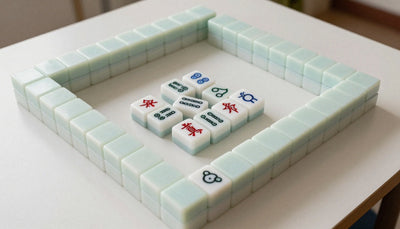
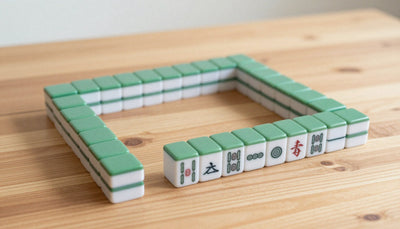
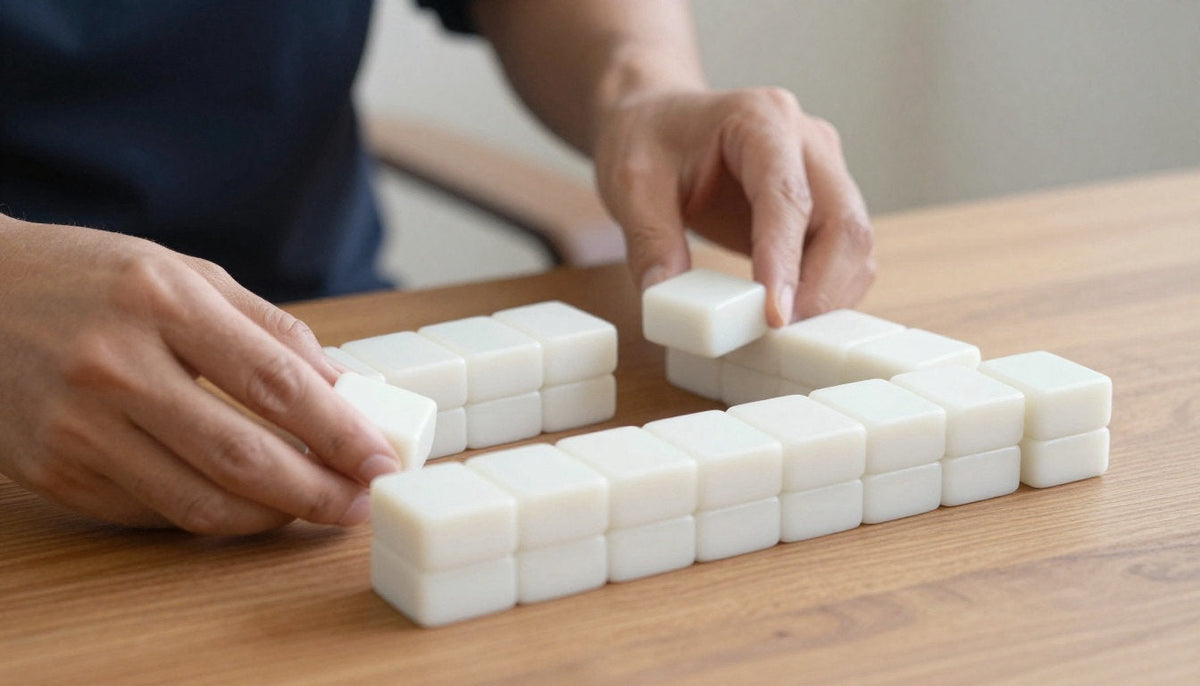
To start, you build two walls using quality mahjong sets. You deal 27 tiles to each player to begin the game.
One player acts as East and the other as West. East typically takes the 28th tile. This mirrors the standard two-player preliminaries found in traditional variants.
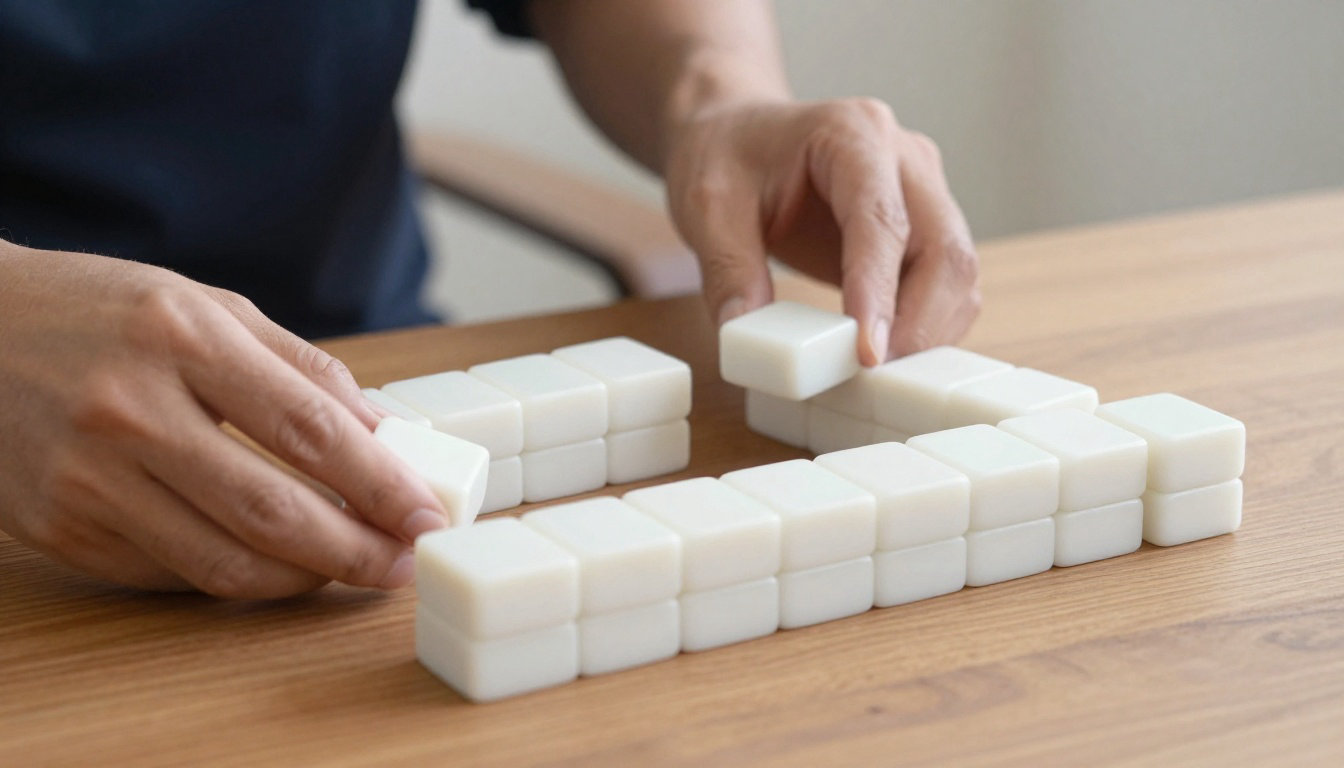
Push the walls toward the center. Use a portable set if space is limited. Ensure both players can reach the draw pile easily.
Organizing 27 Tiles on Two Racks
Each player needs two standard racks placed end-to-end or stacked and helpful mahjong accessories to accommodate the large hand size comfortably.
Keep your two potential hands distinct on the racks. Never mix your strategies or you will lose track of your winning tiles.
You can manage your tiles efficiently by following these simple placements:
- Use the top rack for your primary hand
- Use the bottom rack for your secondary or backup hand
- Keep Jokers flexible between both racks until committed
3 Core Mechanics for Head-to-Head Play
Once the racks are filled, the rhythm of the game shifts into a high-speed back-and-forth that requires constant focus.
Drawing and Discarding Without the Charleston
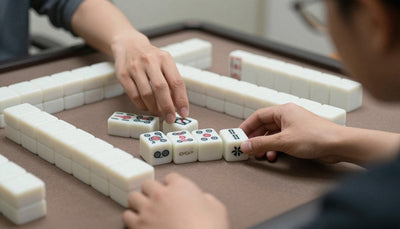
You follow a standard cycle. Each turn involves drawing one tile and discarding another. This process mirrors the 4-player version but moves much faster since only one opponent remains.
The pace is intense. You do not wait for three other people to make decisions. You must react instantly to every tile hitting the table to stay ahead.
In this format, rules for declaring tiles are often more flexible, making it excellent for mahjong for beginners. Since there are only two players, illegal exposures generally only hurt the person making them during the duel.
Handling Jokers With Only One Opponent
Joker exchange rules are vital. You can swap a matching natural tile for a Joker sitting on your opponent's rack. This is a major strategic move that strengthens your hand.
The strategic weight is massive here. In a duel, a single Joker can swing the entire match, unlike in Japanese mahjong which follows different conventions. You cannot let your opponent hoard these powerful tiles for too long.
In two-player Mahjong, a Joker isn't just a wild card; it's a weapon you must steal before it's used against you.
Winning Conditions and Scoring Your Hands
The ultimate goal is the double declaration, a feat that requires balancing two separate offensive lines.
Declaring Mahjong on Two Separate Racks
To win, you must complete two distinct hands. Finishing only one rack does not end the game. You must declare Mahjong on both racks to claim total victory.
Scoring rewards your persistence. Completing one hand earns standard points while play continues. However, finishing your second hand triggers a massive bonus for the final tally.
| Feature | Traditional (4 Players) | Siamese (2 Players) |
|---|---|---|
| Number of Racks | 1 rack | 2 racks |
| Starting Tiles | 13 tiles | 27 tiles |
| The Charleston | Standard phase | None |
| Winning Condition | 1 Mahjong | 2 Mahjongs |
| Game Pace | Moderate | Fast |
Strategies for Balancing Two Parallel Hands
Success depends on simultaneous progress. Never focus solely on one rack. If your second hand remains weak, your opponent will likely catch up and block your path.
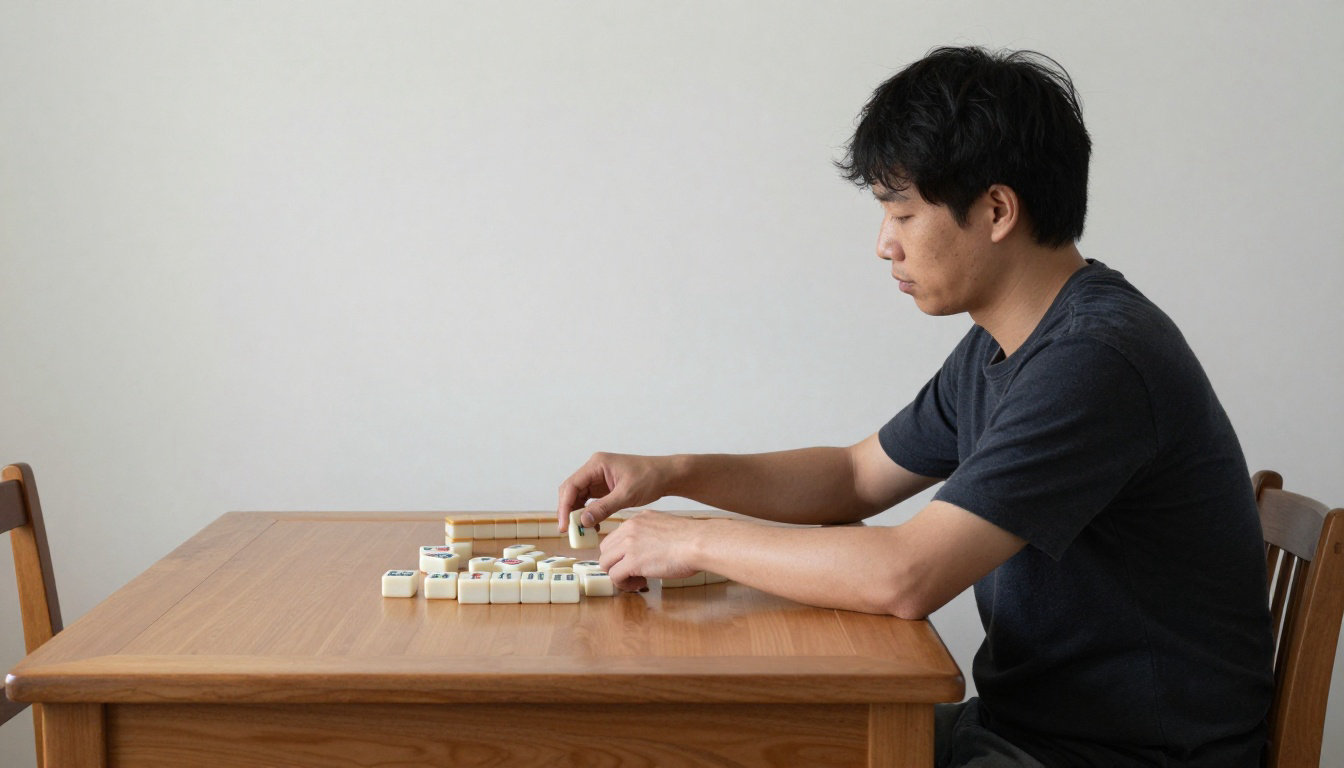
Defense is your best tool. Watch your opponent's exposures closely. You can discard tiles they need for their second hand to stall them. This ""blocking" is essential for survival in high-level play.
Want to practice? Digital projects like Minefield Mahjong offer unique two-player logic to sharpen your skills for the real table.
Mastering this mah jongg variant requires managing two racks, using 27-tile hands, and swapping strategic Jokers. Start your first Siamese duel now to double your tactical depth. You will soon transform every discard into a winning move for your dual victory.
Common questions
Is it possible to play Mahjong with only two people?
What is the Siamese Mahjong variant for two players?
How many tiles are used in a two-player game?
Do I need special equipment for two-player Mahjong?