Mastering mahjong rules for American and Chinese play
The essential to remember: Mahjong is a strategic four-player game where the goal is to form a 14-tile hand consisting of four sets and one pair. Mastering the distinction between Chows, Pungs, and Kongs is vital for victory. This knowledge allows for faster play and higher scoring. Note that a winning hand must strictly contain exactly one final pair.
You sit at the table with thirteen tiles, unsure if your hand follows Chinese traditions or the specific patterns of an American scorecard. This confusion often stalls the game's rhythmic flow and dampens the social excitement. Our comprehensive guide to mastering mahjong rules for American and Chinese play clarifies these distinct systems, from building the wall to understanding the Charleston, ensuring you play every hand with confidence.
- Fundamental Mahjong Rules and Setup
- Classification of Suits and Honor Tiles
- Standard Gameplay Flow and Turn Order
- Recognition of Melds and Winning Hands
- American Mah Jongg Card and Charleston
- Chinese and Hong Kong Rule Variations
- Scoring Calculations and Penalty Rules
Rules in hand, the right equipment follows: browse our american mahjong collection.
Fundamental Mahjong Rules and Setup for American and Chinese Play
While this tile game might look like a chaotic sea of plastic tiles at first glance, the underlying structure is actually quite elegant and easy to grasp once you set the stage.
Basic Game Objective and Players
The core goal is simple. You must form a 14-tile winning hand. This requires building specific sets or sequences to call "Mahjong" before your opponents do.
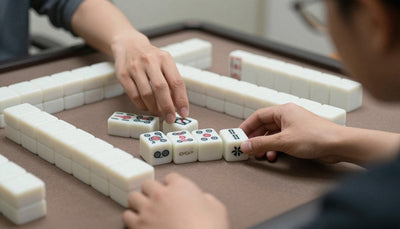
Four players are required for a standard session. Each person represents a direction: East, South, West, or North. You act alone in this strategic battle. There are no teams here.
The atmosphere is social yet requires intense focus. Players watch every discard closely. The first person to complete their hand wins the round immediately. It is a race of logic.
Building the Wall and Breaking the Breach
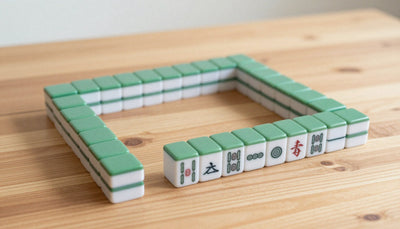
First, shuffle all mahjong tiles face-down on the table. This creates a distinct sound known as the "Twittering of the Sparrows." Each player then *builds a double-stacked row*.
Use dice to determine the starting point. The roll dictates exactly where the wall is broken. This ensures a random and fair distribution for everyone.
The four walls form a physical square. This shape represents the "city wall" in traditional lore. It encloses the discard area.
Push your section of the wall forward slightly. This makes the tiles accessible to the center. It keeps the game flowing without any physical strain.
Initial Tile Distribution and Dealer Roles
Players draw tiles in blocks of four. This continues in a rotation until everyone has twelve. Finally, each player takes their *last single tile to reach thirteen*.
The dealer is always the East Wind. This player starts with 14 tiles instead of 13. This extra tile gives East the very first move.
The game begins with the first discard. The dealer chooses one unnecessary tile to throw away. This officially starts the cycle of play around the table.
For the American branch specifically, see how to play American mahjong, rule by rule.
Classification of Suits and Honor Tiles
You can't win a race if you don't know what your car looks like, and in Mahjong, that means mastering the visual language of the tiles.
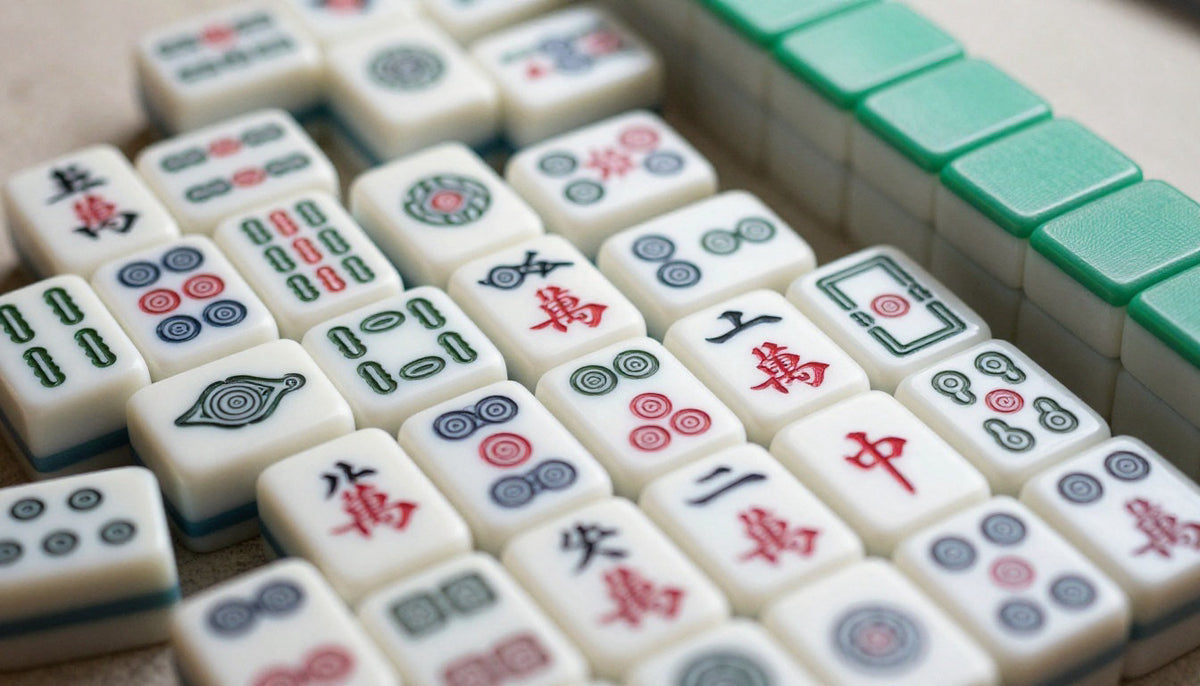
Numbered Suits: Dots, Bamboos, and Characters
Identify the three suits: Dots, Bamboos, and Characters. Each suit runs from numbers one to nine. There are four of every tile. This creates a deep pool of possibilities.
The "One of Bamboos" often looks like a bird. Characters use Chinese numerals for identification. Beginners should learn these symbols quickly to avoid confusion.
Joseph Babcock added English indices to help Western players. This made the game accessible. It simplified the learning curve for international audiences.
Honor Tiles: Winds and Dragons
Define the four Winds: East, South, West, and North. These are not numbered. They represent the compass directions at the table.
Introduce the Dragons: Red, Green, and White. The White dragon is often a blank tile or a frame. They carry higher scoring potential.
Honors cannot form sequences. You can only make triplets or quads with them. This makes them harder to use. However, they are vital for big wins.
Bonus Tiles: Flowers and Seasons
Discuss the Flower and Season tiles. These are extra tiles found in most mahjong sets. They act as "bonus" points rather than part of a hand.
When you draw one, you set it aside. Then, you draw a replacement tile immediately.
Bonus tiles like Flowers and Seasons don't help you form sets, but they can significantly boost your final score if they match your seat wind.
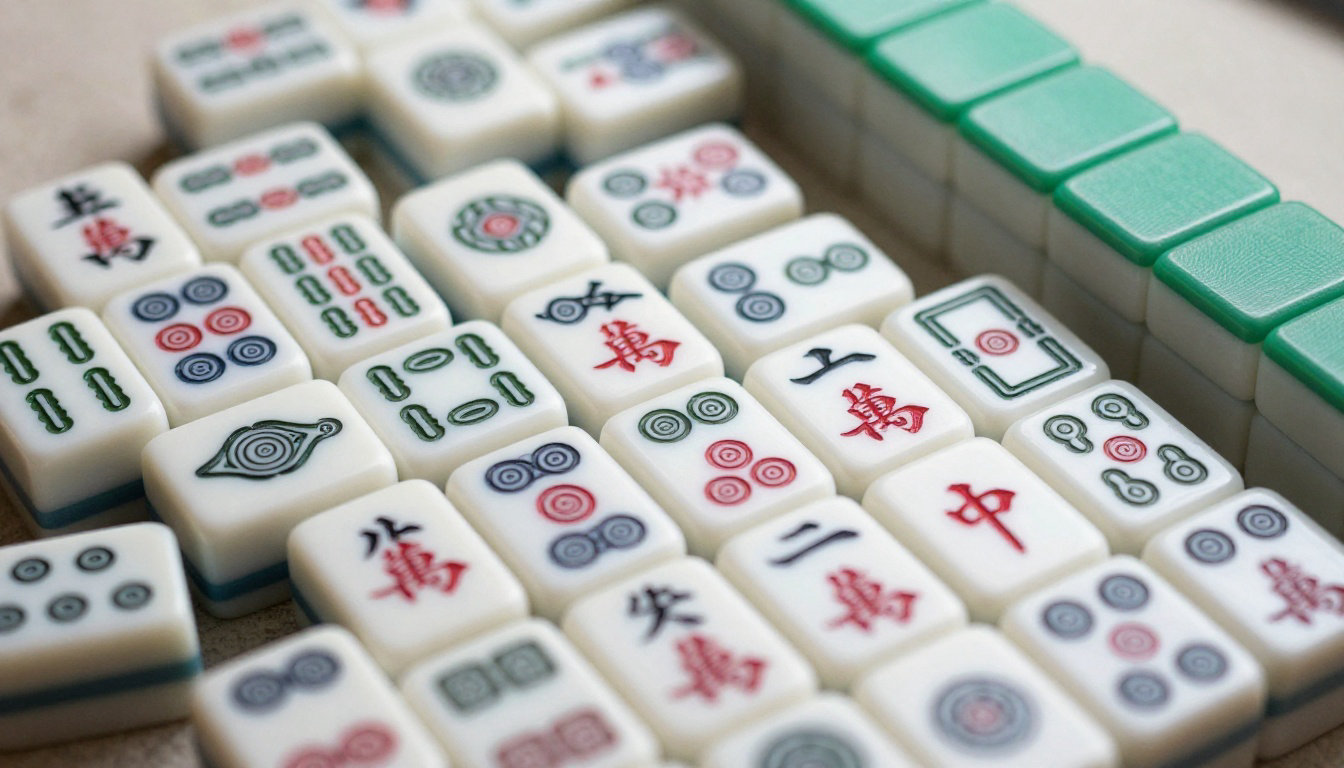
These tiles impact the final scoring. They can double your points in certain mahjong rules. They add a layer of luck to the strategy.
Standard Gameplay Flow and Turn Order
Once the tiles are dealt and the suits are known, the game enters a rhythmic cycle of drawing and discarding that continues until someone breaks the silence.The Draw and Discard Cycle
Play moves in a clockwise turn order. You draw one tile from the wall. Check if it improves your hand. If the tile is useless, discard one from your rack. This keeps the game moving forward.
Place the discarded tile face-up in the center. You must name the tile clearly for everyone. This verbal cue alerts other players. It is the signal that your turn is ending.
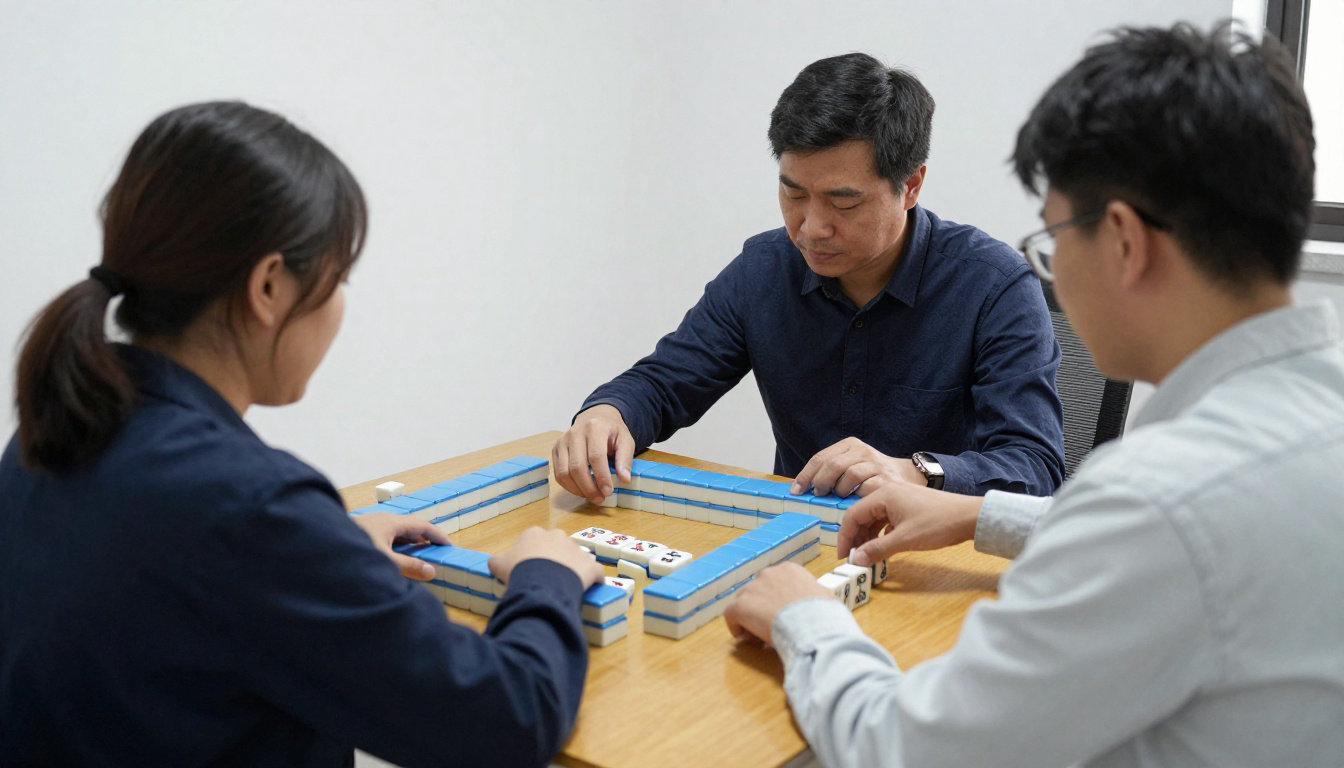
Keep the game speed steady and deliberate. Avoid rushing others during their turn. Do not stall the table with long hesitations. A rhythmic flow makes the experience better for everyone.
Claiming Discards for Combinations
Players can ""call" a discarded tile to complete a set. This action bypasses the normal draw order. You can call for a Chow, Pung, or Kong depending on your needs.
Priority rules are very strict here. Calling for a Mahjong win always comes first. Pungs and Kongs then take precedence over Chows. These overlaps often cause brief tension at the table.
Calling a tile reveals part of your strategy. These tiles stay face-up on your rack. You lose the element of surprise. Weigh the benefit of the set against showing your hand.
Handling Common Flow Errors
Mistakes happen, like calling a tile too late. Once the next player draws, the window closes. It is a strict but fair rule. Pay close attention to every discard.
Accidental tile exposure. If you drop a tile, you might have to play it. This often depends on specific house rules. Always handle your tiles with care.
Errors require quick fixes to maintain fairness. Follow these standard protocols for common table issues:
- Misnamed tiles: The player who misnames a tile may face penalties if someone declares Mahjong based on the wrong name.
- Out of turn draws: The player must return the tile, and the wall is restored to its previous state.
- Long or Short hand: Having too many or too few tiles makes your hand "dead," meaning you cannot win.
Recognition of Melds and Winning Hands
Understanding the flow is great, but you won't get far without knowing which combinations actually lead to a victory.
Sequence Sets: The Chow
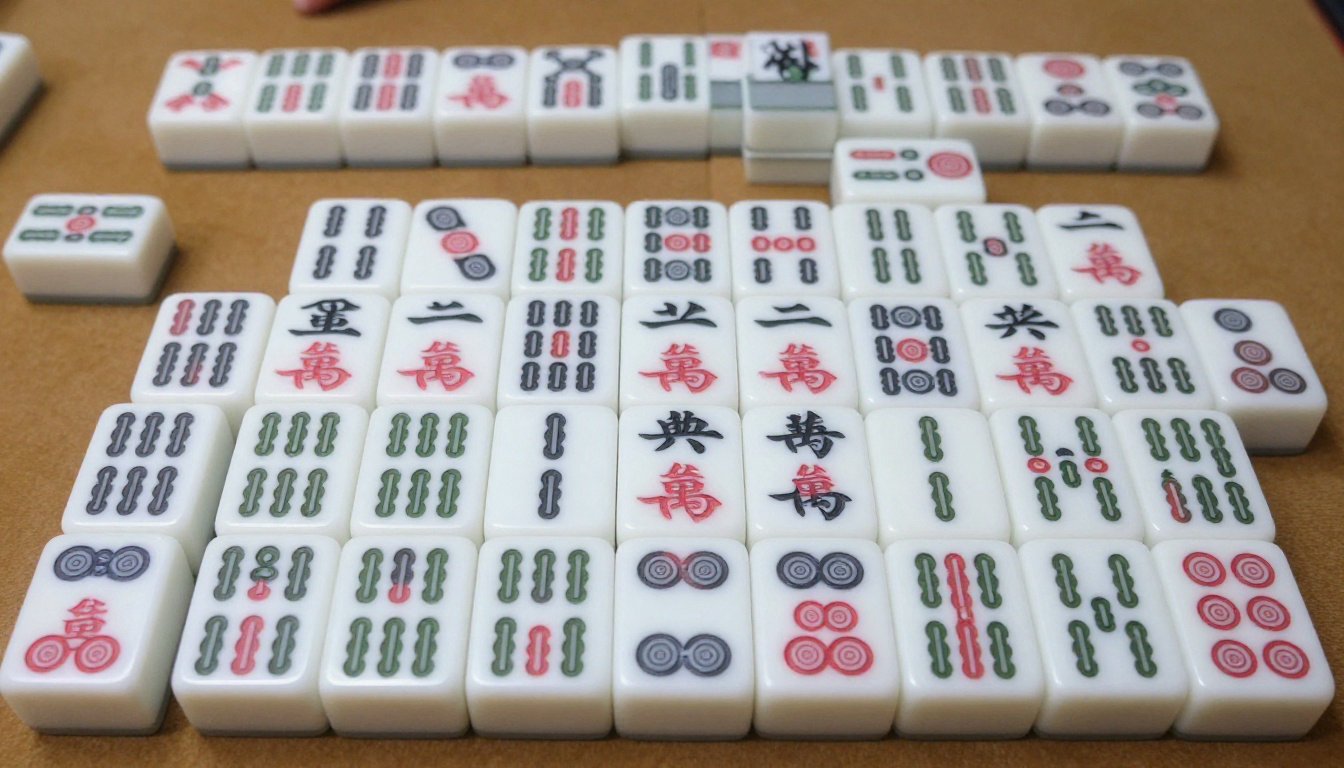
A Chow consists of three consecutive tiles. These must belong to the same suit. For example, you might use a 4, 5, and 6 of Dots.
There are strict restrictions on calling Chows. Usually, you can only claim a discarded tile for a Chow from the player on your left. This rule limits how easily you can build them.
Honors cannot form Chows. Winds and Dragons only function in triplets or quadruplets. This is a common mistake for new players to avoid during play.
Triplets and Quads: Pungs and Kongs
A Pung consists of three identical tiles. A Kong consists of four identical tiles. Both sets serve as powerful building blocks for any winning hand.
Because a Kong uses four tiles, you must take an extra draw. This specific draw keeps your total hand count correct. It ensures the game continues smoothly.
| Meld Type | Description | Tiles Needed | Can use Honors? |
|---|---|---|---|
| Chow | Three consecutive tiles in one suit | 3 | No |
| Pung | Three identical tiles | 3 | Yes |
| Kong | Four identical tiles | 4 | Yes |
| Pair | Two identical tiles | 2 | Yes |
The Final Pair and Declaring Mahjong
Identify the "Eye." This is the final pair of identical tiles. Every standard winning hand must have exactly one pair to be valid.
Victory occurs at a specific moment. You place your 14th tile and shout "Mahjong!" The game stops immediately for everyone at the table.
The verification process follows the declaration. Other players will check your hand. It must follow the correct American mahjong rules or Chinese mahjong format perfectly. If wrong, the hand is dead.
American Mah Jongg Card and Charleston
While the basics are universal, the American version of the game introduces a specialized card and a unique tile-swapping ritual that changes everything.
The Annual Card
American play requires the official card published each year by the National Mah Jongg League. It lists the hands that win that year, and it is replaced annually, the previous year's hands retire when the new edition arrives each April.
Each player needs her own copy. The League sells it directly; the American Mah-Jongg Association publishes a separate annual card used by some groups.
Order the current card from the National Mah Jongg League →
The Charleston and Courtesy Pass Rituals
The Charleston is a mandatory tile exchange. It happens before the actual play begins. It involves three distinct rounds of passing. You must pass tiles to your opponents.
The goal is very simple. It helps you get rid of junk. You want to discard useless tiles. Hopefully, you receive tiles that fit your card's patterns.
The "Courtesy Pass" happens at the end. It is a final optional swap. Two players can agree to trade tiles. They can swap up to three. It is your last chance for help.
Joker Usage and Swapping Rules
Jokers act as wildcards in this version. They are extremely powerful tools. You can use them in specific groupings. They replace tiles in a Pung, Kong, or Quint.
You can swap for exposed Jokers. This happens during your active turn. You must possess the actual tile represented. Simply replace the Joker with your matching tile.
Jokers are the lifeblood of American Mah Jongg strategy, but remember: you can never use a Joker to complete a pair or a single tile.
Chinese and Hong Kong Rule Variations
If you strip away the Jokers and the Charleston, you find the traditional roots of the game, where speed and simplicity reign supreme.
Absence of Jokers and the Charleston
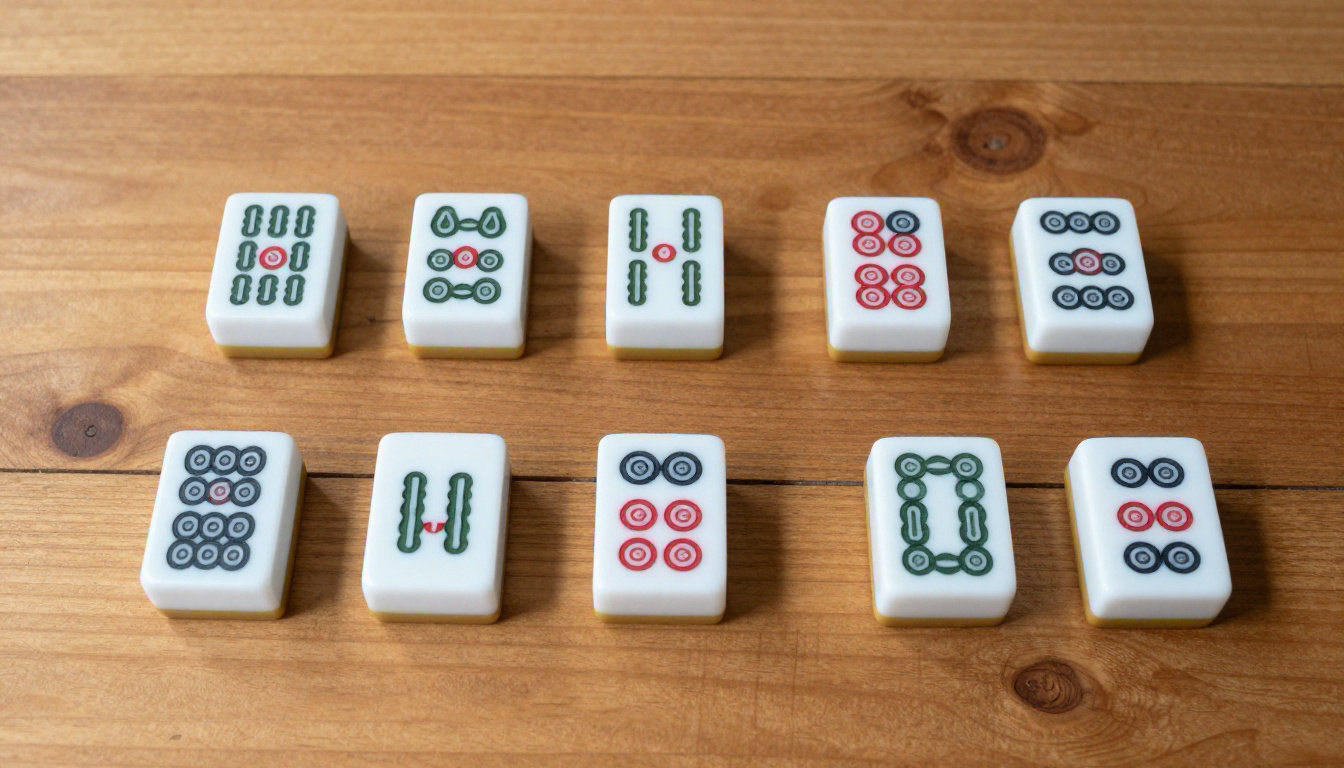
Note the lack of Jokers. In Chinese mahjong versions, every tile must be genuine. This makes completing a hand much more difficult.
Mention the immediate start. There is no Charleston exchange here. You play with what you are dealt from the wall.
Focus on the purity of the game. You can consult this guide des règles standard chinoises for details. Authenticity is the main priority in these traditional formats.
Differences in Winning Hand Requirements
Compare hand flexibility. Chinese rules allow for more varied patterns. You don't need a specific card to tell you what to build.
Detail the minimum point requirement. Many Hong Kong tables require at least one or three "Fan" (points) to win. This prevents very cheap, fast victories.
Explain the "All Chow" or "All Pung" hands. These are classic patterns. They are simpler to understand than the complex American hands.
Faster Pacing and Simplified Mechanics
Address the speed of play. Hong Kong Mahjong is famous for being incredibly fast. Experienced players discard almost instantly.
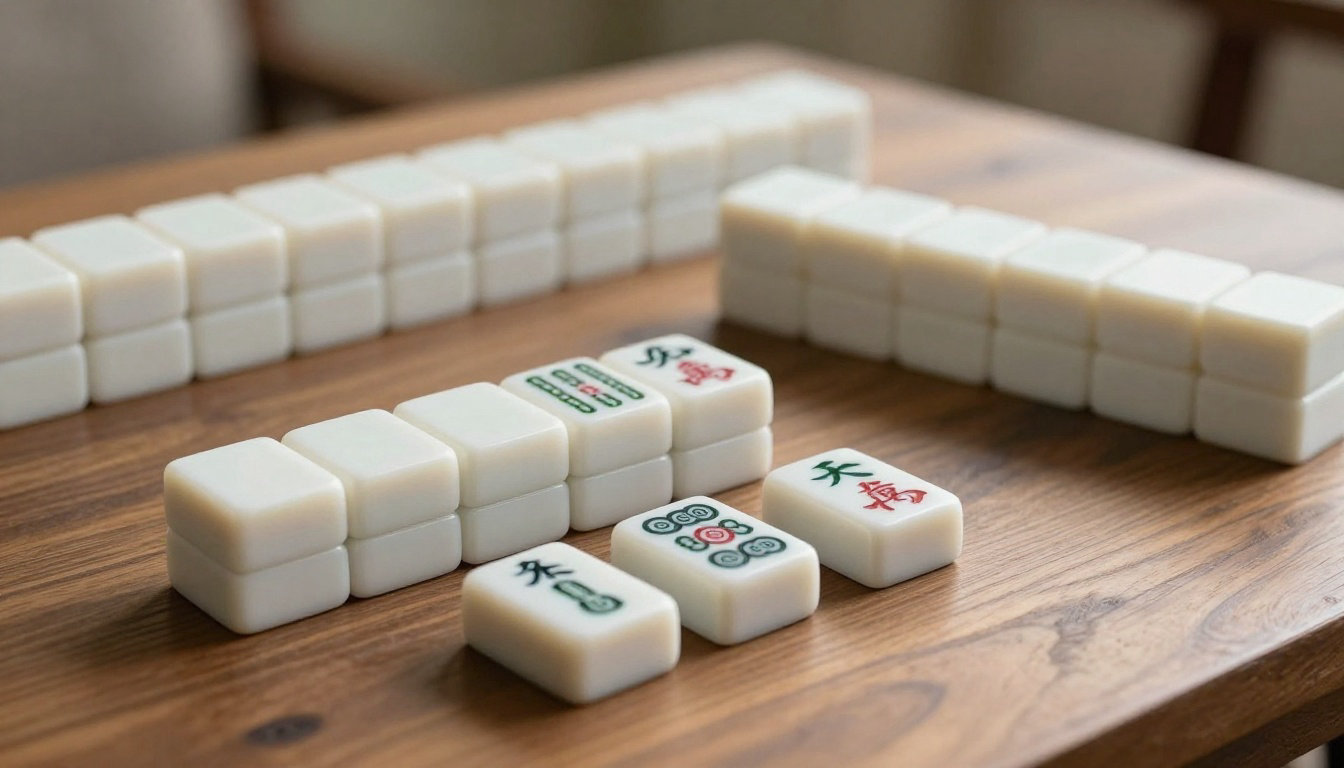
Discuss the focus on turnover. The goal is to cycle through the wall quickly. This creates a high-energy environment at the table.
Explain why beginners might prefer this. The lack of complex passing rules makes it easier to start. You can focus entirely on your own hand.
Scoring Calculations and Penalty Rules
After the shout of "Mahjong" settles, the real work begins: counting the points and figuring out who owes what.
Calculating Points for Different Melds
Assign values to sets. Pungs of Honors are worth more than simple suits. Kongs are worth even more because they are rare.
Explain the doubling effect. Certain tiles, like your own seat wind, can double your total score. This is where the big numbers come from.
Mention special hands. A "Hidden Treasure" or "Thirteen Orphans" hand pays out a massive, fixed amount. These are the holy grails of Mahjong.
Identifying and Penalizing Dead Hands
List "dead hand" conditions. This happens if you have the wrong number of tiles. Or, if you call a hand that is impossible.
Explain the consequences. If your hand is dead, you stop playing. You cannot win, but you might still have to pay the winner. It is a tough spot.
Discuss etiquette. Don't be too harsh on beginners. However, in serious games, these rules are enforced strictly to maintain integrity.
Payment Rules for Different Win Types
Detail "Self-Drawn" wins. If you draw your own winning tile, everyone pays you. This is the most profitable way to win.
Explain "Discard" wins. If someone throws your winning tile, they pay double. The other two players pay the standard amount.
To ensure everyone pays fairly, follow these steps at the end of the round:
- Check the card for point values
- Determine if it was a self-draw
- Account for any doubles or bonuses
- Collect payments from opponents
Mastering these mah jongg rules allows you to build winning hands through strategic melds and tile swaps. Practice the draw-and-discard cycle now to sharpen your focus and outsmart your opponents. Start your first game today to experience the thrill of shouting a perfect victory.
When does the 2027 American mahjong card come out? →
Independent, not affiliated with the National Mah Jongg League. The annual card is sold by the League; order it here.
Common questions
How many players do you need for a standard Mahjong game?
What are the different types of tiles in a Mahjong set?
What is the basic objective to win a round?
How do you define a Chow, Pung, and Kong?