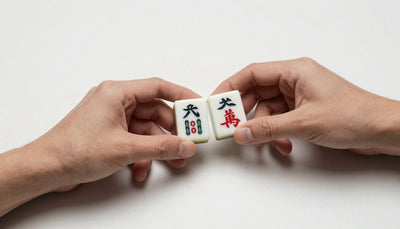
How to Play Mahjong: Master the American Rules
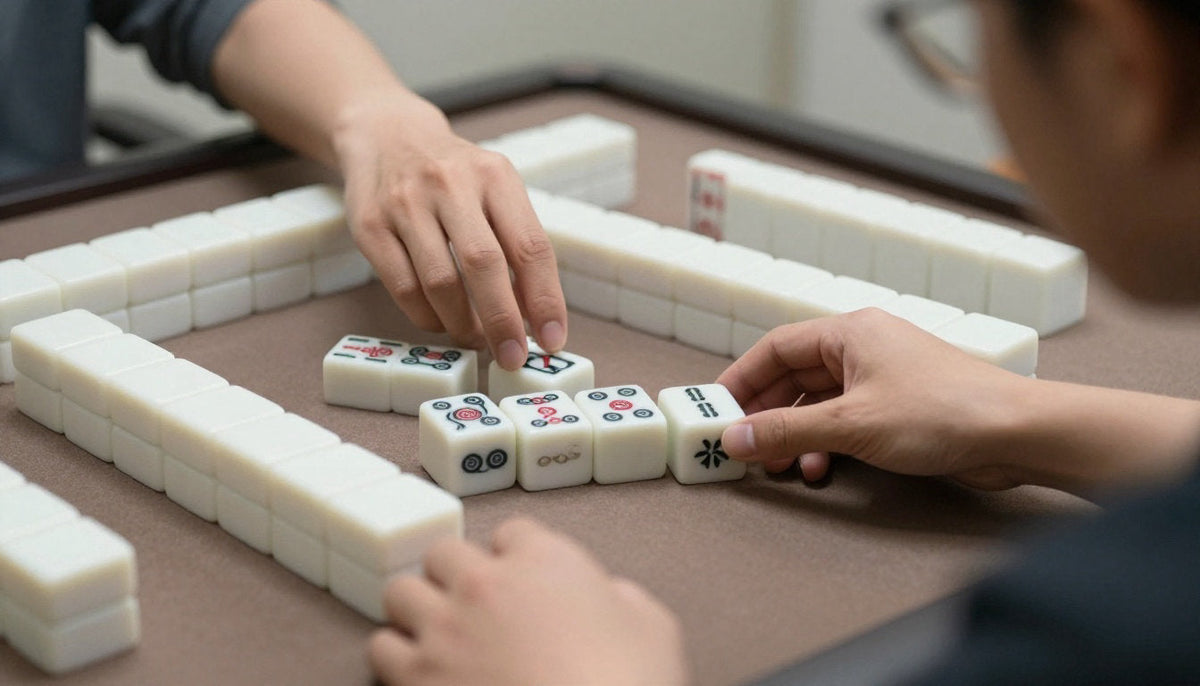
The essential takeaway: American Mahjong relies on the National Mah Jongg League card and the Charleston exchange to build winning hands. Mastering the Joker's substitution power and reading your hand against the current card is vital for strategic success. Remember that a new official card is published each April, requiring players to adapt to new patterns and logic annually to remain competitive.
Modern social gaming continues to see a rise in the popularity of learning how to play mahjong, as new players seek to master this unique tile game with its special tile-passing rituals and annual scoring cards. We provide the essential steps to help you identify the 152 tiles, navigate the mandatory Charleston sequence, and execute strategic calls during active play. You will gain the confidence to join any table and declare a winning hand with precision.
- How to Play Mahjong: Tile Set Guide
- The Annual Card
- Charleston Tile Exchange Sequence
- Standard Active Table Play Mechanics
Everything here assumes a standard American set; our american mahjong collection gathers the boards and tiles built for these rules.
How to Play Mahjong: Tile Set Guide
Understanding the physical tools is your first step toward mastering the game. While the basics of mahjong for beginners apply to many versions, the American set features specific tactile elements and unique tiles that dictate your strategy.
Suit Tile Varieties
The three main suits are Dots, Bams (Bamboos), and Cracks (Characters). Identify numerical values from one to nine on each tile type. Look for the bird symbol; it usually represents the One of Bamboos.
A standard American set includes 152 tiles, 144 plus eight jokers. These suits form the core of your hand during play. Quality mahjong sets typically include clear markings that make tile identification easier for new players.
Honor and Bonus Tiles
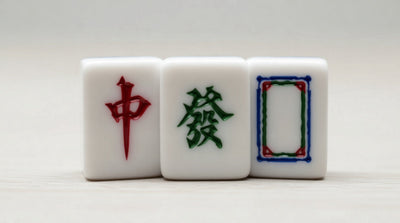
Winds include North, East, South, and West. Dragons consist of Red, Green, and White (often called Soap). These tiles lack numerical values. They form specific, high-value combinations instead.
Flower tiles function differently in the American version. They act as bonus tiles. Use them to satisfy specific hand requirements listed on your official NMJL card.
Joker Tile Functions
The Joker is the ultimate wild card. It substitutes for any tile in a meld of three or more. Jokers are the heart of American strategy.
Master the swapping rule to win. If you hold the natural tile of an exposed Joker, swap it during your turn. This move is a strategic "must-know" for beginners. Professional players often use specialized mahjong accessories like joker indicator chips to track these powerful tiles during play.
The Annual Card
Now that the tiles are familiar, you need the reference every American Mahjong table is built around: the official card published each year by the National Mah Jongg League.
What It Is For
The card lists the hands you may win with during that year. A hand that does not match one of its lines is not a winning hand, however good it looks. Each player needs a copy of their own.
The National Mah Jongg League sells the card directly, and a new one is released each April. The American Mah-Jongg Association publishes its own annual card, used by some groups.
Order the current card from the National Mah Jongg League →
Terms You Will Hear
Three standard mahjong terms cover most of what happens at the table. A Pung is three identical tiles, a Kong is four, and a Quint is five, jokers included.
A New Card Every Year
Because the hands change annually, no single memorised strategy carries over from season to season. Long-time players and newcomers alike spend the spring learning the current selection, one reason American Mahjong groups tend to stay sociable rather than purely competitive.
Charleston Tile Exchange Sequence
Once the card is understood, the game begins with a unique ritual called the Charleston, which is exclusive to the American version and differs significantly from Chinese mahjong.
Mandatory Passing Order
The first Charleston cycle is mandatory. You pass three unwanted tiles right, then across, then left. This sequence helps refine your hand. It allows you to commit to a specific winning pattern early.
The "Blind Pass" rule adds strategy. During the final left pass, you may take up to three tiles from the incoming player. You pass them on without looking. This tactic keeps your hand intact.
- First Pass: Right
- Second Pass: Across
- Third Pass: Left
Optional Final Exchanges
The second cycle follows a specific order: Left, Across, then Right. This round is not automatic. It only proceeds if all four players agree. If one person stops, the exchange ends immediately.
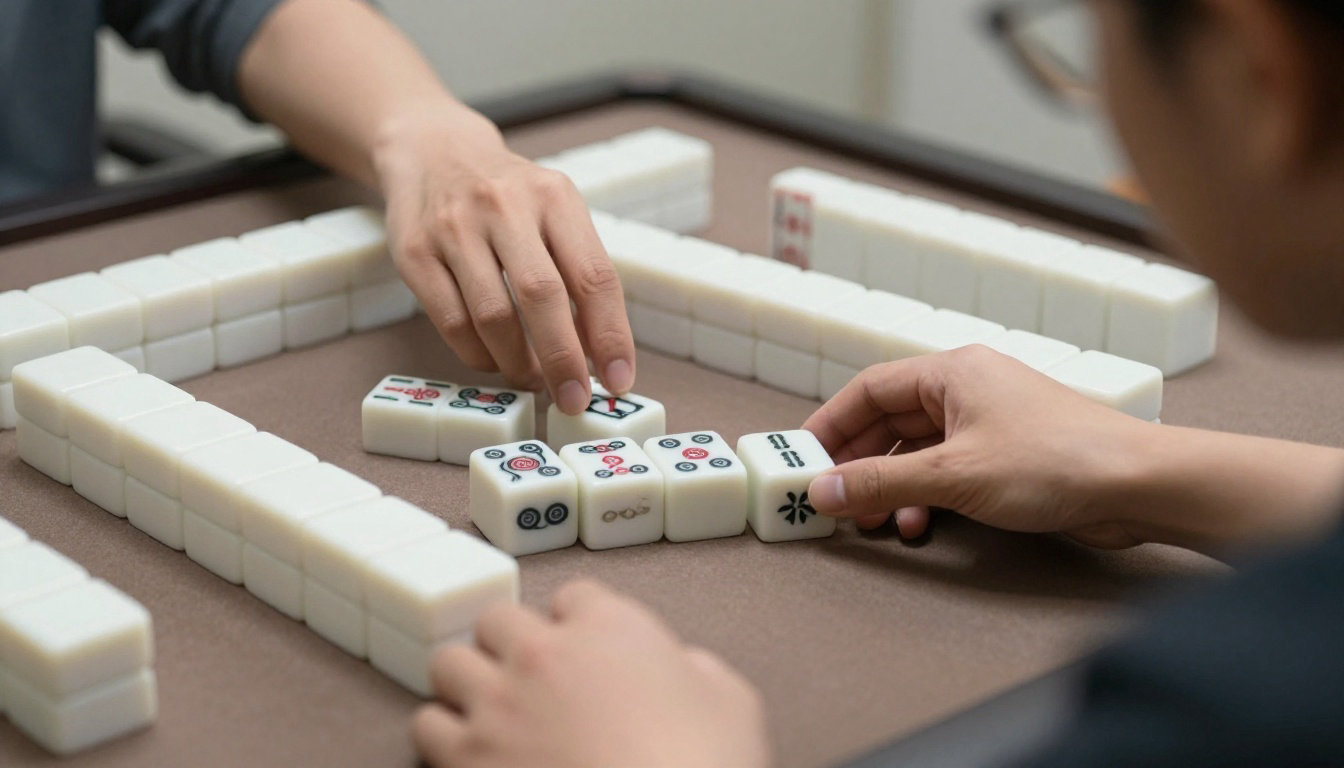
The "Courtesy Pass" occurs at the very end. Players sitting opposite each other can swap tiles. You may exchange one, two, or three tiles. This is your final chance to improve your hand before play.
| Phase | Direction | Requirement |
|---|---|---|
| First Cycle | R-A-L | Mandatory |
| Second Cycle | L-A-R | Optional |
| Courtesy Pass | Across | Optional |
| Blind Pass | Left/Right | Optional |
Mastering this sequence is vital for anyone learning this strategic game. We recommend counting your tiles carefully during these swaps. Missing a tile can end your game before it starts.
Standard Active Table Play Mechanics
With the Charleston complete, the active phase of the game begins, where speed and observation become your best allies.
Turn Flow Steps
The rhythm is simple. You draw a tile, then discard one. East starts by discarding their 14th tile. Play moves counter-clockwise around the table.
Players must draw and discard tiles to form melds. This cycle continues until someone wins.
Verbalize your discard clearly. This helps others follow.
Calling Discarded Tiles
Claim a tile by calling it immediately. You must act before the next draw. Only call tiles to complete an exposure like a Pung or Kong.
A call for Mah Jongg always takes priority. If two people call, the winner takes the tile. Speed is vital here.
Exposed tiles stay on your rack. You cannot change them.
Winning Hand Declaration
Victory happens when 14 tiles match a hand on the card. Shout "Mah Jongg!" Display your hand clearly for everyone to verify the pattern.
Avoid "dead hands" by checking your tiles. If you miscall or have an incorrect count, your hand is void. You stop playing but still pay.
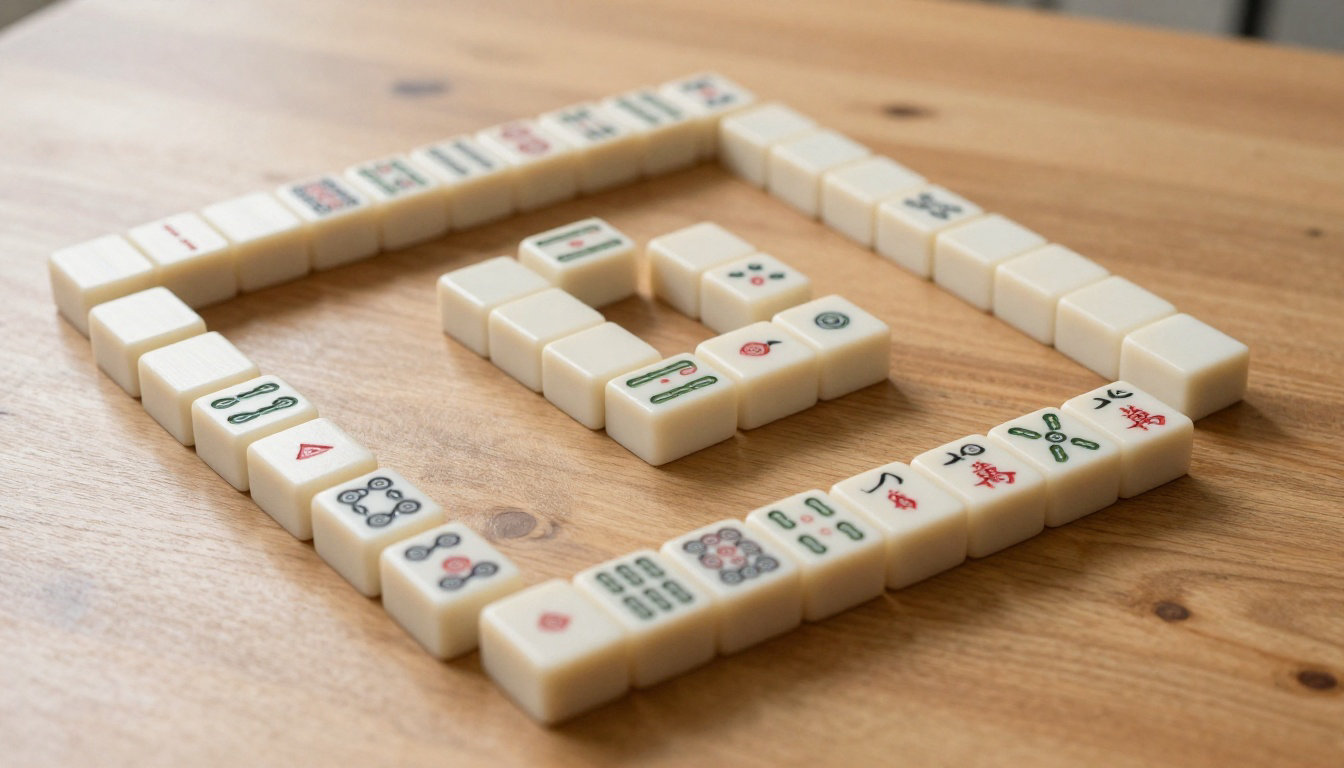
"Declaring Mah Jongg is a thrill, but accuracy is what separates the pros from the amateurs."
Mastering the tile sets, working from the current card, and executing the Charleston sequence are your first steps toward victory. Start practicing these patterns today to sharpen your tactical skills. You will soon play Mahjong with the confidence and speed of a seasoned pro.
When does the 2027 American mahjong card come out? →
Independent, not affiliated with the National Mah Jongg League. The annual card is sold by the League; order it here.
Go deeper into American and two player mahjong
- Master the american mahjong guide for new players: First game, tile by tile: the beginner walkthrough.
- American and Chinese mahjong: Key differences explained: American or Chinese: what actually differs.
- Master the mahjong tile guide to identify every symbol: Reading every tile and symbol.
- Mastering American mahjong rules for two players: Playing the American game with just two.
- How to play 2 player mahjong with Siamese rules?: Siamese rules, the best duo variant.
- Mastering 2 player mahjong: Essential rules and setup: Two player rules and setup, condensed.
Common questions
How many tiles are in a standard Mahjong set?
What do the different colors on the official card mean?
How does the Charleston exchange work?
Can I claim a tile discarded by another player?