American and Chinese mahjong: Key differences explained
The essential takeaway: American Mahjong uses 152 tiles including eight jokers and a mandatory annual hand card. These elements create a rigid yet evolving structure that differs fundamentally from the Chinese version with its 144-tile set and regional scoring rules.
When comparing American and Chinese mahjong, the standard sets differ by exactly 8 tiles due to the inclusion of specialized jokers in the United States. You will identify how these wild cards and the National Mah Jongg League card transform basic mechanics into a structured, annual challenge. Our guide explains these hardware shifts and rule variations to help you select the ideal style for your next session.
- American and Chinese Mahjong Tile Differences
- Hardware Requirements and Table Setup
- Gameplay Mechanics and the Charleston
- Scoring Variations and Style Selection
If the American branch wins you over, our american mahjong collection carries the full sets it requires.
American and Chinese Mahjong Tile Set Differences
While both games share a common ancestor, the physical components tell a story of two very different paths taken across the Pacific.
Comparison of Tile Counts and Jokers
American mahjong sets feature 152 tiles, while Chinese mahjong sets use 144. This difference stems from eight additional tiles. These extra pieces are essential for the specific requirements of the American variant.
The eight Jokers function as versatile wild cards. They help players complete specific hands. This addition of jokers and the modification of tiles creates a unique strategic layer.
Chinese sets include four Animal tiles instead. These serve as decorative bonus point markers. They do not possess the functional substitution power found in American Jokers.
Visual setups differ greatly. These additions change the game's core logic. The experience becomes more unpredictable.
Identification of Western Language Markings
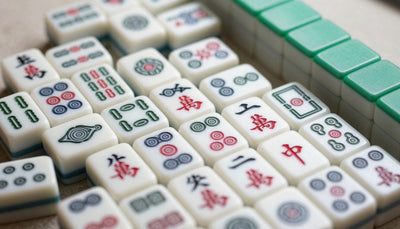
American tiles include specific indices for quick recognition. You will see Arabic numerals and English letters on the corners. These help players identify characters and suits without hesitation.
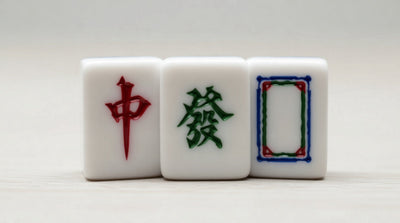
Traditional Chinese sets lack these aids. They rely entirely on original characters and symbols. Players must memorize the traditional designs to navigate the game effectively.
These markings improve accessibility for non-Chinese speakers. They were added to support the game's Western expansion. This historical shift simplified the learning curve during the 1920s.
"The use of Arabic numerals on American tiles was a significant shift that allowed the game to spread rapidly among non-Chinese speaking communities in the 1920s."
The aesthetic styles diverge. One feels modern while the other remains deeply classical.
Once you have picked your side, our guide on how to play American mahjong takes you through a full game.
Hardware Requirements and Table Setup
Beyond the tiles themselves, the physical environment of the table reveals a stark contrast in how the game is actually managed.
American Equipment Racks and Pushers
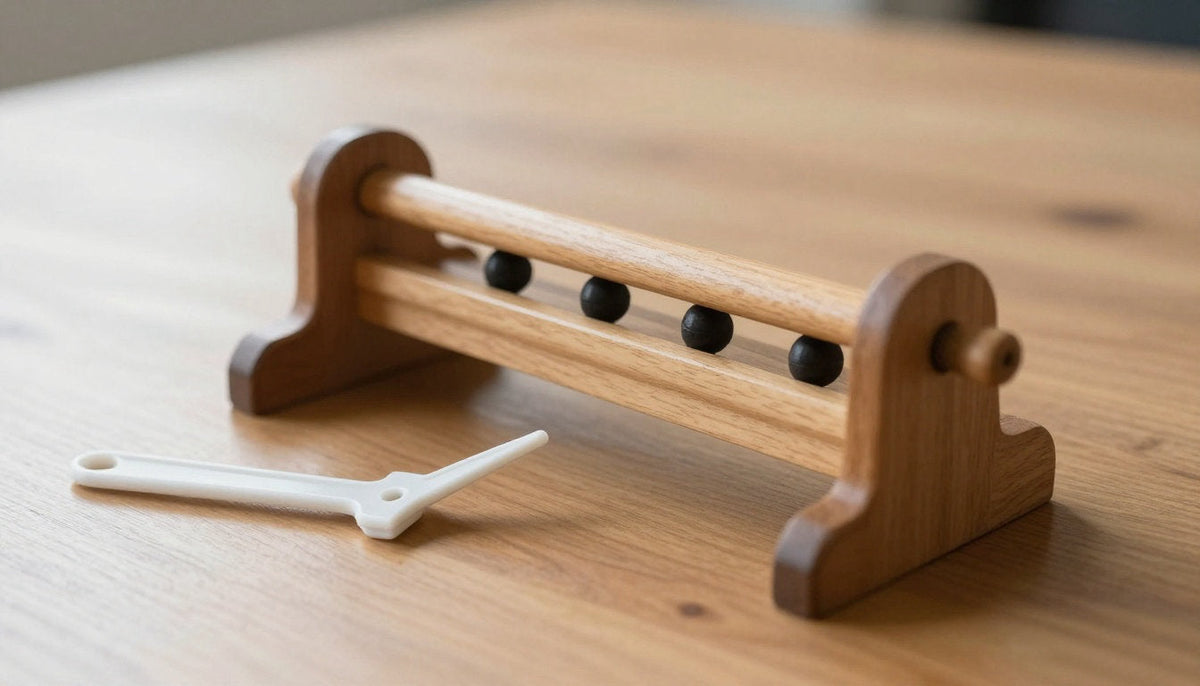
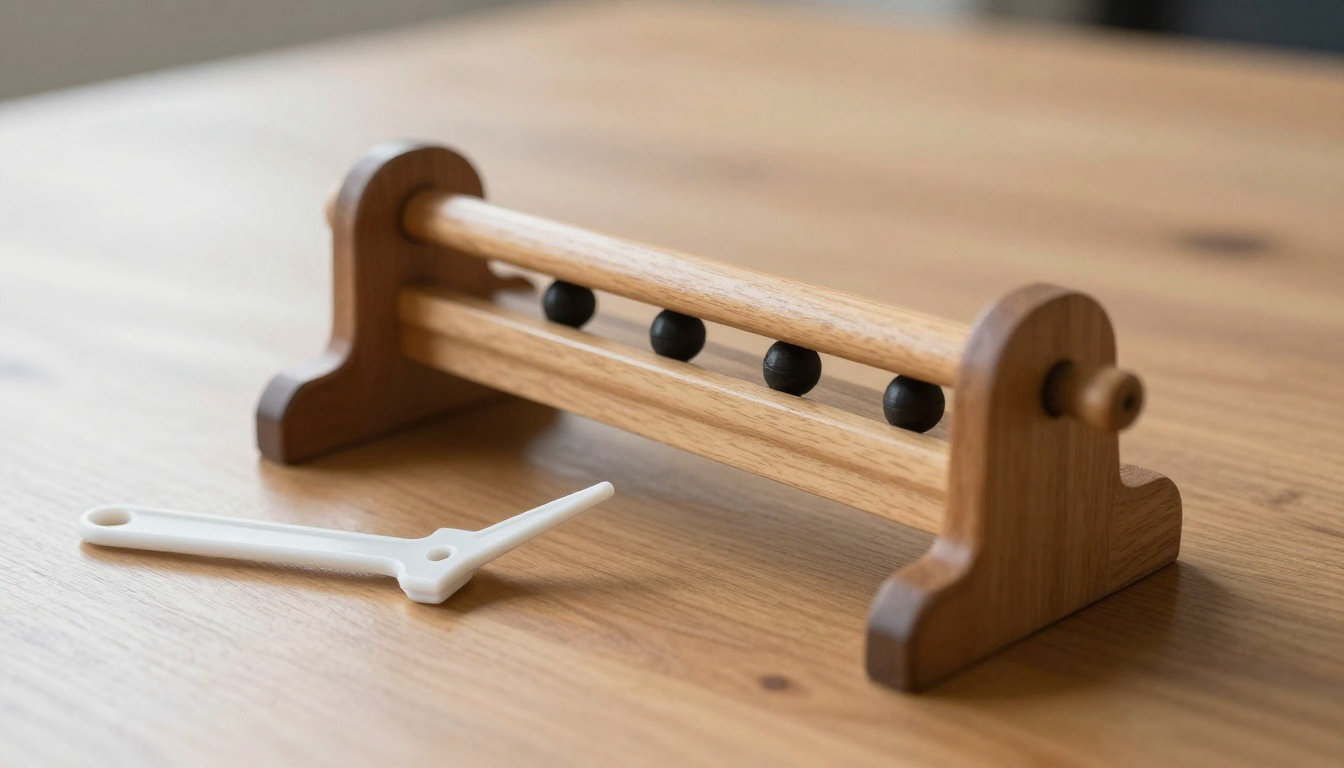
American Mahjong requires specific racks. These tools hold 152 tiles upright and hidden. Pushers move the wall forward. This setup ensures your table remains organized and professional.
You can choose various materials. Traditional wooden racks offer a classic feel. Modern acrylic versions come in bright colors. These options are durable and stylish.
Racks facilitate a faster game pace. They allow for efficient tile management. Integrated pushers ensure the game flows smoothly. You avoid manual wall fumbling during play.
These tools have a specific footprint. You need a larger, dedicated space. The equipment takes up significant room.
Traditional Chinese Flat Play Setup
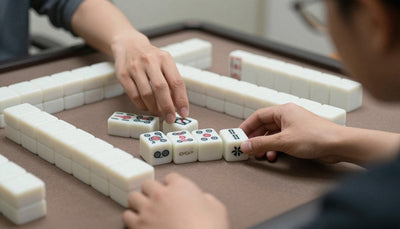
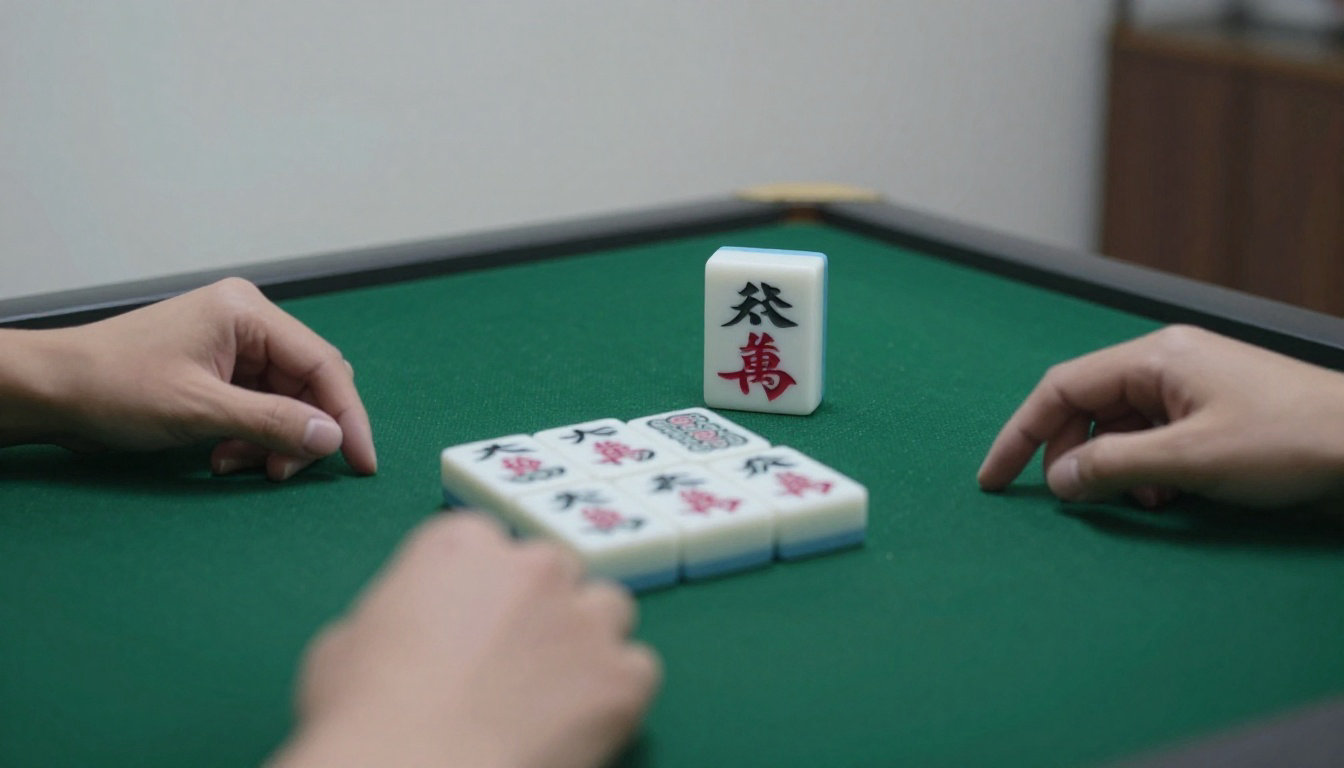
Chinese Mahjong uses a minimalist approach. You place 144 tiles directly on the table. No racks are used to hide hands. Players stand tiles up in a row.
Manual tile handling is the standard. You build and push walls by hand. This creates a tactile, rhythmic experience. It connects the player directly to the tiles.
There is a total lack of accessories. You find no card holders or pushers. The focus remains entirely on the tiles. The setup is clean and functional.
This style offers high portability. You play almost anywhere with just the tiles. For players who prioritize convenience, a mahjong sets without extra hardware allows for travel-friendly gaming sessions.
| Equipment | American Version | Chinese Version |
|---|---|---|
| Tile Racks | Essential | None |
| Wall Pushers | Essential | None |
| Scorecard/Card | NMJL Yearly Card | None |
| Table Mat | Common | Optional |
| Tile Markings | English & Symbols | Symbols Only |
Gameplay Mechanics and the Charleston
If the equipment sets the stage, the rules of engagement define the soul of each Mahjong variant.
Annual NMJL Card Requirements
The National Mah Jongg League card dictates every game. It lists the only valid winning hands. Players must follow these specific patterns every year to win.
The League updates the card every April. This keeps the strategy fresh and challenging. These updates were influenced by the role of American Jewish women in the NMJL's foundation.
Every player needs the current year's physical card. It is the game's ultimate authority. You cannot play officially without this specific reference.
Tile Swapping via the Charleston
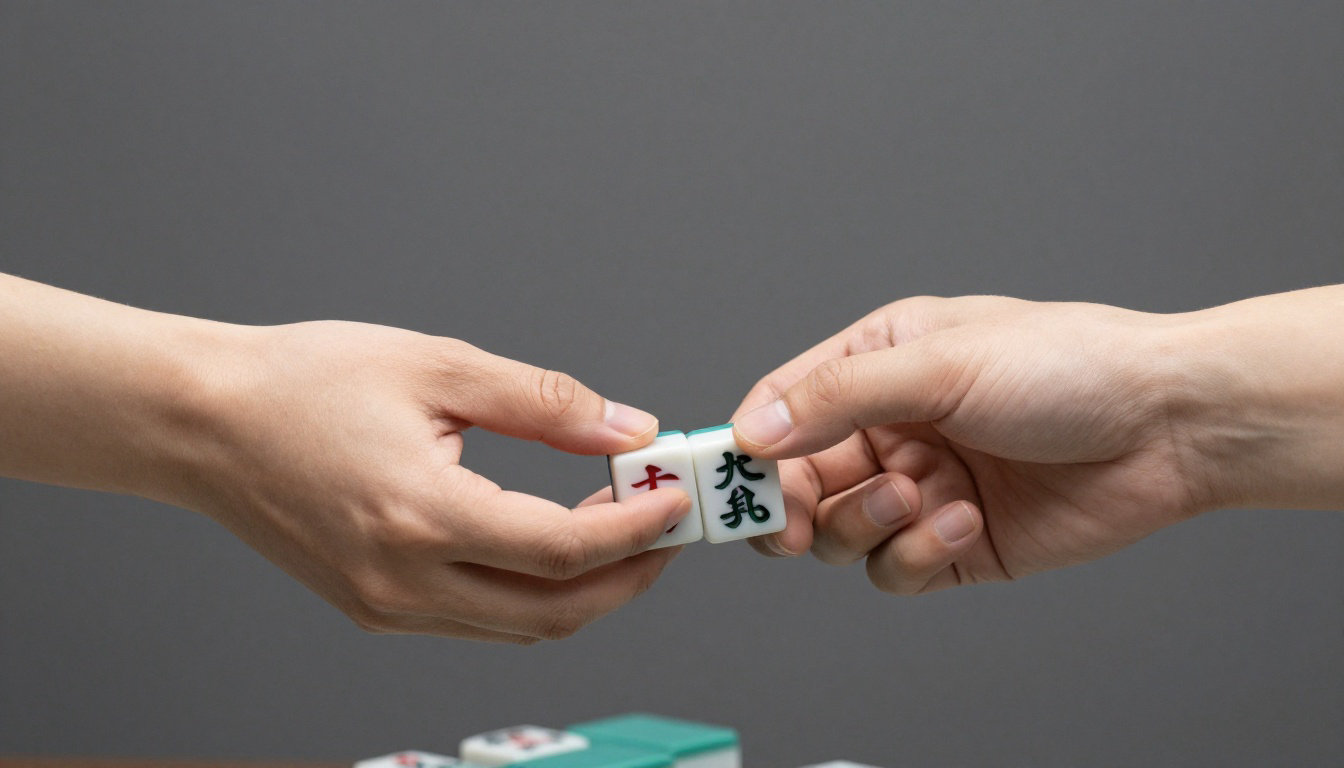
The Charleston is a mandatory tile exchange. It occurs before the main play begins. Players pass unwanted tiles to their neighbors to improve their hands.
The strategic sequence is very specific. When collecting and organizing your mahjong tiles for this exchange, pieces move right, across, and then left. This phase helps players build their initial hand structure efficiently.
- The three main passes of the Charleston
- The optional 'blind' pass
- The second Charleston agreement
Traditional Chinese Hand Construction
Chinese Mahjong uses an open-style building method. Players aim for four sets and a pair. The logic is based on sequences and triplets from the wall.
This contrasts with fixed American patterns. Chinese play offers more intuitive flexibility. You don't need a card to know if a hand wins.
Scoring Variations and Style Selection
Ultimately, the thrill of the win comes down to how you count the points and which social vibe you prefer.
Point Calculation and Winning Hands
American scoring relies on a fixed NMJL card. Each winning hand has a predetermined point value. This system makes tracking scores straightforward for every player.
Chinese scoring involves mental math with "fan" units. Players calculate points using complex doubling based on tile combinations. This requires deeper tactical knowledge during the game.
Winners receive payments from the losing players. The specific amount depends on the hand's difficulty level. In both versions, the losers settle their debts immediately.
While American scoring is dictated by the annual card, Chinese scoring is an intricate dance of multipliers that rewards deep tactical knowledge.
Style Selection Guide for Beginners
Choose American Mahjong if you prefer clear structure and social tradition. Select the Chinese version for intuitive play and mathematical challenges. Both styles offer rewarding mental stimulation. Your choice depends on your personal playstyle.
Locate local groups at community centers or through online forums. Experienced teachers often help beginners bridge the initial learning gap. Joining a club speeds up the mastery of rules.
Maintain your equipment by cleaning acrylic racks with soft cloths. For those seeking elegance, a luxury mahjong set requires special care, while a travel mahjong set needs secure padding for transport. Store wooden sets in dry areas to prevent warping. Proper care ensures your game set lasts for years.
- Pros of American Mahjong: Social structure, predictable hands.
- Pros of Chinese Mahjong: Flexibility, no annual fees, traditional feel.
Mastering American versus Chinese Mahjong requires understanding the 152-tile set with jokers versus the traditional 144-tile flow. Use the NMJL card for structured play or embrace manual hand construction for a tactile, flexible experience. Whether you choose a complete mahjong set for home use or a portable option, start your first session today to enjoy these unique mental rewards and strategic depth.
Independent, not affiliated with the National Mah Jongg League. The annual card is sold by the League; order it here.
Common questions
How do American and Chinese Mahjong tile sets differ?
What equipment is required for the American version?
Is a scoring card necessary for Chinese Mahjong?
What is the Charleston in Mahjong?