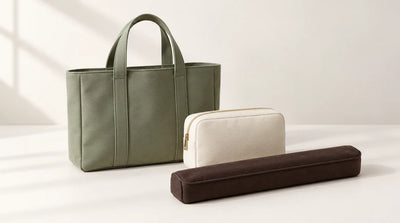
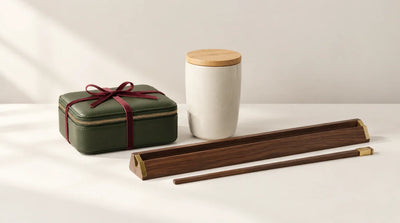
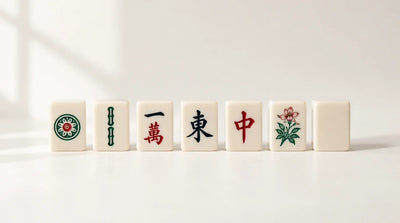
5 Reasons a Mahjong Case Makes Game Night Easier
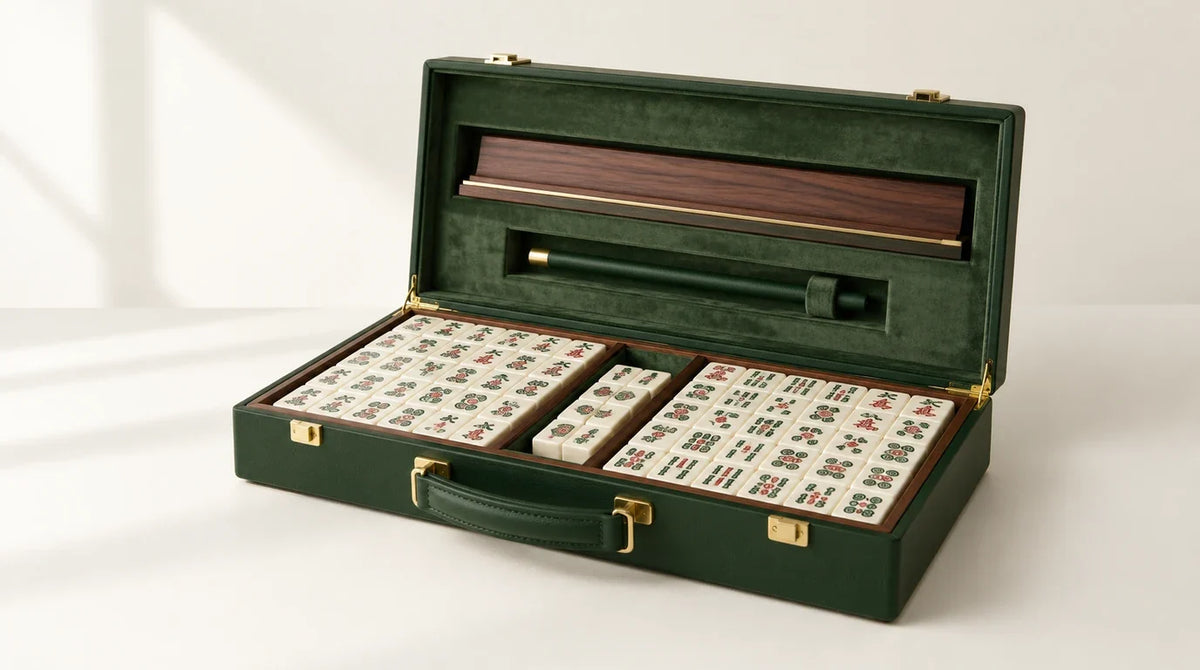
In short. A case earns its place by shortening setup and protecting the equipment between games. When every active tile returns to one case, the host stops searching through bags, and fitted rows with dividers keep heavy tiles from pressing on engraved faces. Defined rows turn the end-of-night count into a quick visual check, while separate compartments keep dice, annual cards and pushers away from dense tiles. The right case is not the largest one: it closes without pressure and travels without a rattle.
A mahjong case earns its place by reducing setup and protecting the equipment between games. It should fit the tile count, close securely and keep dense pieces away from racks and paper cards. The best case is not always the largest or most decorative one. These five benefits appear only when the internal layout matches the set and the way it travels.
Along the way, we look at the cases that get the job done, the questions worth asking before buying and the habits that keep a set complete between games.
- The complete set starts in one known place
- Fitted storage protects faces and edges
- Counting becomes part of cleanup
- Accessories stop moving through the tiles
- Regular travel becomes more predictable
1. The complete set starts in one known place
When every active tile returns to one case, the host does not search through several bags before guests arrive. Transparent storage also identifies the colorway immediately. The internal capacity must match the real count, and rows should sit without forcing the lid.
Keep spares clearly separated from active tiles so they are not added to the wall by accident. Place a written inventory inside the case and update it if the group changes the layout. A known starting point makes both setup and the final count repeatable.

Acrylic Mahjong Box - Birch
$105.99
A transparent fitted box for up to 160 American tiles with a shallow accessory compartment.
From the table: a vintage box is a fine home for a vintage set. There is even room left to add a set of smaller racks, so the whole set can live in one place.
2. Fitted storage protects faces and edges
Rigid sides shield tiles from shelf pressure and prevent a soft outer bag from collapsing onto engraved faces. Internal rows or dividers reduce movement, which matters for heavy stone, wood or acrylic pieces. Padding should be non-abrasive and appropriate for the material.
A case is not protection if the tiles rattle freely or the latch opens when lifted. Pack it over a soft surface, close every fastener and make one cautious test lift. Follow the maker's handling guidance and support a heavy case from beneath.

Wooden Mahjong Case - Umber
$138.99
A rigid wooden case for organized home storage and careful transport.
From the table: leftover lining fabric can refresh an old case in an afternoon. The lining may look a little rumpled, but that is no reason to part with a set you love.
3. Counting becomes part of cleanup
Defined rows reveal empty spaces and make a missing tile easier to spot. Count categories before closing the case, then check beneath racks, chairs and the mat while the room is still arranged. A loose pile hides omissions until the next game.
Use the case layout as a visual checklist, but keep a written category count as well. American sets can have different totals, and Chinese sets vary by rules. The original maker's breakdown is more useful than assuming one universal number.
4. Accessories stop moving through the tiles
A well-designed case or outer tote separates dice, wind indicators, cards and pushers from the dense tile group. That prevents small pieces from disappearing between rows and keeps paper away from hard edges. The compartments should match what the group actually uses rather than invite unnecessary accessories.
Store annual cards flat and dry. Give detachable pushers and dice a closed pocket, and use a sleeve for long racks. Before leaving, count the categories of container as well as the pieces inside them: tile case, rack sleeve, card holder and small accessory pouch.

Mahjong Bag Set - Sedge
$115.99
A transport set with separate spaces for tiles and long racks.
From the table: sewing your own carrier is a project worth considering: a zipper, a lining and an inside pocket go a long way. Separate bags for the racks and dice, plus a fabric wrap that closes with hook-and-loop tape for the tiles, keep everything together.
5. Regular travel becomes more predictable
A case with dependable handles and balanced weight lets the same set move between homes without being repacked into shopping bags. Measure doors, vehicle space and storage shelves if the setup is large. The easiest travel solution is one person can lift safely without swinging.
Inspect handles, zipper tracks and latches periodically. Do not assume a case that was safe when new remains safe after years of use. Keep it upright when designed that way and avoid leaving tiles in a hot vehicle, damp entryway or direct sun.

Mahjong Carrying Bag - Ramie
$79.99
A dedicated carrying bag for transporting tiles between regular game locations.
From the table: if you carry your tiles to friends every week, a sturdy case that holds them in place inside a larger tote is worth it. Keeping the tiles still on the way is exactly the job a fitted case does inside a soft bag.
Choose the case by working backward from the equipment. Record tile dimensions, count and total weight, then add the exact rack length and card size if they must travel together. Compare internal measurements, not only the exterior silhouette.
A dedicated case also creates ownership clarity in groups that rotate hosts. Label it discreetly, keep the inventory inside and use the same compartments each week. Anyone helping with cleanup can see where a piece belongs without inventing a new packing system.
Do not overload a case to make it serve every purpose. A fitted tile box plus a separate rack sleeve may protect the setup better than one strained zipper. The right solution is the one that closes without pressure, travels safely and opens into an organized table.
After a spill or damp journey, unpack everything and allow the case and contents to dry according to their care instructions. Closing moisture inside can damage paper, lining and natural materials. Maintenance after one difficult night protects many future games.
Compare the empty case weight as well as its capacity. A rigid box can become difficult to carry once filled with dense tiles. Ask the regular carrier what feels safe, and divide racks into a second bag when that creates a balanced load. Handles are convenient, but the case base should support the weight during every lift.
The interior should be easy to inspect. Dark lining can hide a small tile, while loose fabric can catch corners or shed fibers into engraved faces. Choose stable dividers and avoid adhesives that may transfer in heat. If padding is needed, use a material compatible with the tiles and removable for cleaning.
Travel routes matter. A short move across a carpeted room creates less risk than stairs, a parking lot and a crowded vehicle. Use a protective outer tote when the rigid case may be struck or exposed to rain. Never leave the packed set where heat, cold or moisture can change rapidly.
A case does not need to match the tile artwork to feel considered. Clear labeling, clean compartments and reliable closures create a stronger impression than decorative coordination alone. When the host opens it and every row is complete, game night begins with confidence rather than a search.
Before buying, rehearse the packed footprint with boxes you already own. Place the proposed tile box, rack sleeve, card holder and accessory pouch together, then estimate how they will sit in a closet, car and host's entryway. This simple exercise reveals whether one large case or two balanced bags will be easier to manage. It also prevents a beautiful rigid box from becoming permanent furniture because it is too awkward to move.
If the case is a gift, obtain the tile dimensions and count discreetly rather than relying on the name of the set. Include a receipt and explain the intended capacity without promising a universal fit. A thoughtful case should remove work for the recipient, not create a return problem or require her to separate tiles she normally keeps together.
Once a year, empty and clean the case before the active season begins. Inspect corners, fasteners and lining, then count the set as it returns. This annual reset identifies slow wear before a journey and gives the host a current inventory for future replacement or insurance records.
| Case benefit | What enables it | Failure to avoid |
|---|---|---|
| Faster setup | One known location | Mixed spare tiles |
| Protection | Fitted rigid storage | Rattling or pressure |
| Easier counting | Defined rows | Closing before inventory |
| Accessory order | Separate compartments | Cards beside hard edges |
| Predictable travel | Strong balanced carry points | Worn handles and heat |
Keep reading: The mahjong gear worth owning · The best mahjong bags · Smart ways to store a mahjong set
Common questions
How do I choose the right mahjong case size?
Is a hard case better than a soft mahjong bag?
Should an annual mahjong card go in the tile case?
How often should I inspect a mahjong case?