6 Reasons to Use a Mahjong Mat
In short. A mat is optional, but it changes how tiles sound, move and lift. Its cushioned top absorbs the sharp clack of mixing and discarding, its backing keeps walls from skating on polished wood or glass, and the slight give makes flat tiles easier to lift. It also protects the dining table and marks a clear square for the wall and discards. On materials, neoprene is the spongy layer underneath, while the smooth surface the tiles touch is a woven fabric on top.
A mahjong mat is optional, but the right one changes how tiles sound, move and lift from an ordinary table. It can also define the active game area and protect the surface underneath. Size, backing and visual contrast determine whether those benefits appear in practice. These six reasons explain what a mat can add and what to test before choosing one.
Along the way, we share what players describe in American mahjong groups on Facebook: the questions they asked before buying a mat and the habits that keep their tables running smoothly.
- It softens the sound of mixing tiles
- It helps tiles stay where they are placed
- It makes flat tiles easier to lift
- It protects the dining table
- It defines a clear playing area
- It gives the table a calm visual foundation
1. It softens the sound of mixing tiles
Tiles create repeated impact when they are mixed, stacked and discarded. A fabric-topped mat absorbs part of that sharp sound and can make a long evening more comfortable in a shared home or apartment. The effect varies with tile material and table construction, so a heavy stone set may still be louder than acrylic.
Test sound with the actual tiles rather than expecting silence. A thin decorative cloth may bunch without cushioning, while a purpose-made surface combines softness with enough structure to stay flat. Keep volume expectations realistic and prioritize a backing that does not move during mixing.

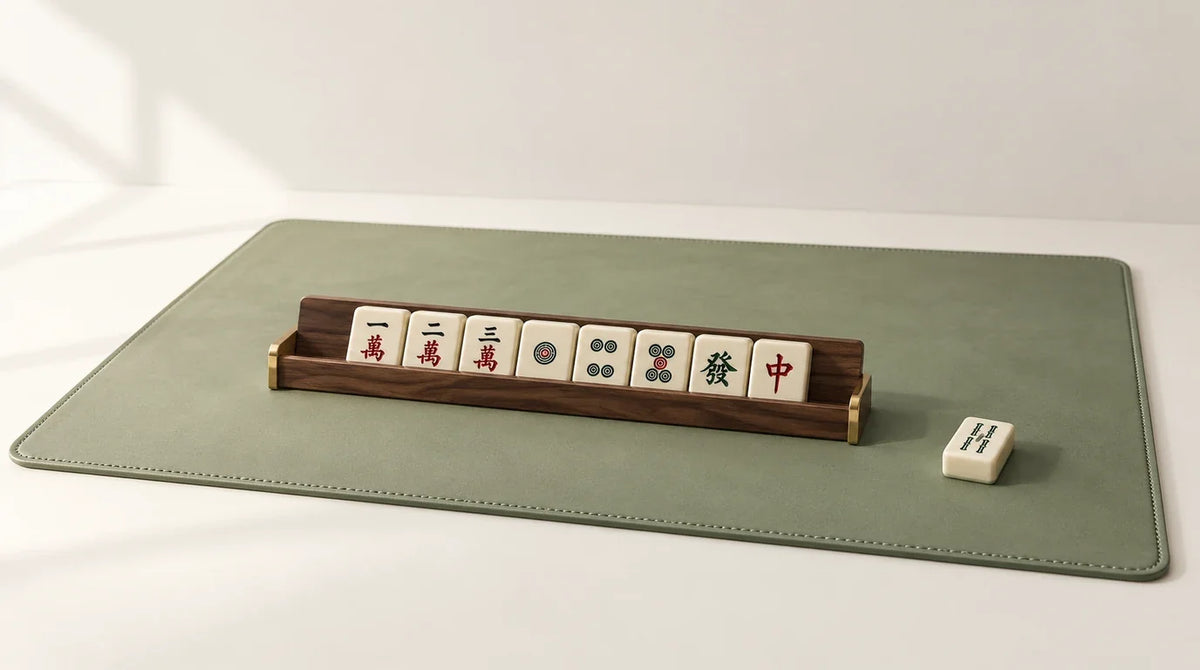
White Lotus Mahjong Mat - Lotus
$89
A light velvet-touch mat with stitched edges and an anti-slip backing.
From the table: one player cleared up a common mix-up about mat materials. As Jeanne in the group Mah Jongg, That's It! explains, "the neoprene in a mat is the spongy layer rather than the top surface." The smooth, fabric layer the tiles touch sits on top, and knowing which layer is which makes product descriptions easier to compare.
2. It helps tiles stay where they are placed
A controlled surface reduces the skating that can happen on polished wood, glass or stone. Walls remain easier to square and discarded tiles are less likely to drift when another piece lands nearby. The mat itself must grip the table, since a sliding layer simply moves the whole problem.
Clean crumbs and dust from the tabletop before unrolling the mat. Press the corners flat and test a complete wall movement with pushers. If the backing is worn or the mat crosses a table seam, adjust it before guests arrive.

Green Mahjong Mat - Selva
$89
A green botanical mat with a non-slip backing and stitched edge.
From the table: one player whose new mat arrived with a few creases from shipping asked the groups for tips. "Any tips for getting creases out of a mahjong mat?" writes Beth in Mahjong Tablescapes™, after her pre-ordered set arrived with dent-like creases. Other players shared the methods that worked for their own mats, and the maker's advice was to iron it with a towel placed between the mat and the iron. The goal is always the same, a mat that lies completely flat so walls build easily, and the care instructions for that specific mat come first.
3. It makes flat tiles easier to lift
A slightly yielding surface gives fingertips room to get beneath a tile. That helps during mixing and cleanup, especially when pieces have smooth square edges. It can reduce the repeated scraping that occurs when players try to pinch a tile from a hard tabletop.
Too much pile can make walls unstable, so the goal is controlled softness rather than a thick rug. Build both long sides of the wall and check that stacked tiles remain level. Players with limited hand mobility may also benefit from larger tiles and a comfortable rack angle.
4. It protects the dining table
Regular play places hundreds of hard edges on the same surface. A mat creates a barrier against light scratches, dye transfer and repeated impacts, while also catching small debris before it reaches a delicate finish. Protection is particularly useful when the game shares a dining table rather than a dedicated mahjong table.
Check the backing material against the furniture maker's care guidance. Some surfaces react to trapped moisture, rubber compounds or long contact. Remove the mat after play, wipe spills promptly and let both surfaces dry before rolling it for storage.
5. It defines a clear playing area
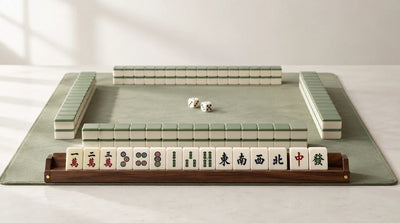
A square mat shows where the wall and discards belong, helping a new group keep phones, drinks and snacks outside the active area. It also makes centering four racks easier. The dimensions should leave a practical border for cards and player hands without pushing glasses into the corners.
Measure the usable tabletop, not the furniture's widest decorative edge. Set four chairs and racks in place before deciding that a mat fits. On a compact table, use a side surface for food and bags rather than shrinking the game area.

Bird Mahjong Mat - Aviary
$89
A sage mat whose border visually separates the walls from the rest of the table.
From the table: mat size is a lively topic. "When given the choice of a 31.5 or 33.5 inch mat, are you going for the bigger size?" asks Debbie in Mahjong Tablescapes™, whose table is 38.5 inches square. Another, Miranda in the group Mah Jongg, That's It!, was practicing solo at a kitchen table she guessed was 32 inches and noticed her mat "hangs over a little." Both started where this section does: with the real tabletop.
6. It gives the table a calm visual foundation
A mat can coordinate the setup and make game night feel intentional, but pattern should support readability. Tile faces, dice and wind markers need enough contrast to remain visible from every seat. A dramatic center design may photograph well and compete with small markings during actual play.
View the surface under evening light and place several face-up tiles in different areas. If any suit disappears into the print, choose a quieter design or stronger contrast. Roll the mat for storage when possible so the visual foundation also remains flat and ready for the next session.
From the table: many players post a photo of new tiles and ask the groups which mat will make them stand out. One asked, simply, "what mat do you think will look best?" about a freshly pre-ordered set. Another admitted she cannot picture a pairing from product photos alone: "I can’t visualize it unless I see it," she wrote, asking to see that exact tile and mat combination on a real table before deciding.
Choose the mat after the tiles and table are known. Record the tabletop dimensions, consider the tile material and decide where racks and cards will sit. These practical details narrow the options more effectively than color alone.
A mat does not correct poor lighting, incompatible racks or a crowded room, but it can improve the surface at the center of those decisions. When it stays flat, grips properly and keeps the tiles readable, it becomes a quiet part of every hand.
Before the first full game, rehearse setup from storage. Unroll the mat, allow it to relax and place the four racks around its edges. Build the walls, move them with pushers and check whether the backing shifts. This rehearsal reveals curling corners, cramped card positions and patterns that reduce contrast before guests need to work around them.
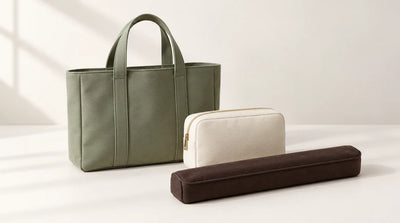
Plan how the mat will leave the table. Clear tiles and drinks first, wipe any spill according to the maker's guidance and let moisture dry. Roll from a straight edge without trapping small pieces. A rigid tube or roomy sleeve protects the shape better than forcing the mat into a compartment designed for tiles.
For hosts who rotate locations, record both the flat and rolled measurements. Confirm that the mat fits the destination table and the vehicle or bag used to carry it. A lightweight surface is convenient only if it arrives flat and clean. If the group plays on several table sizes, choose the most common setting rather than expecting one mat to solve every room.
A mat is also a useful cleanup boundary. Its surface makes crumbs, loose threads and dropped pieces easier to notice. Count the tiles before rolling, check beneath all four racks and lift the mat only after accessories are packed. This sequence prevents a tile from being trapped in the roll and leaves the household table ready for ordinary use.
If the group changes to heavier stone or larger acrylic tiles, repeat the sound and stability test. A mat that worked for a compact set may respond differently to added weight and wall length. Equipment changes should be evaluated together so the surface continues to support the way the table is actually used.
Keep the product care instructions with the rolled mat so every host knows how to clean, dry and store it safely after the game.
| Benefit | What creates it | What to check |
|---|---|---|
| Softer sound | Cushioned top | Tile material and room |
| Better grip | Stable surface and backing | Wall movement |
| Easier lifting | Slight surface give | Pile height |
| Table protection | Barrier under tiles | Furniture compatibility |
| Defined area | Measured square | Room for racks and cards |
| Visual foundation | Appropriate contrast | Evening readability |
Keep reading: Racks, mats and the other essentials · Mat styles for different game nights
Common questions
Is a mahjong mat required?
How do I choose a mahjong mat size?
Can a mahjong mat damage a table?
Should I fold or roll a mahjong mat?