How to Choose Your Mahjong Mat: Floating vs Standard Models
The essential takeaway: High-quality neoprene mats are vital for professional gameplay by providing superior noise reduction and surface stability. These mats protect delicate tiles and tables from damage while ensuring a consistent, non-slip rhythm during shuffles. Choosing a 3mm thickness with lock-stitched edges prevents fraying and maximizes sound dampening for a focused, long-lasting gaming experience.
A high quality silicone backing can increase surface grip by 100% compared to traditional felt protectors. This stability ensures your decision directly impacts gameplay speed and tile safety. When learning how to choose your mahjong mat, you will discover the technical specs that provide superior sound dampening and long term durability for your professional setup.
- Why a Mahjong Mat Guide Matters
- Floating Mats Versus Standard Protectors
- 3 Specs for Professional Setups
- How to Maintain Neoprene Mats?
The full range, floating and standard, lives in our mahjong mats collection.
Why Learning How to Choose Your Mahjong Mat Guide Matters
While premium tiles often steal the spotlight, the surface beneath them actually dictates the entire flow and feel of your game. Choosing between floating and standard options changes everything.
Noise Reduction and Tile Protection
A quality neoprene mahjong mat acts as a functional physical buffer. It effectively absorbs the sharp click-clack sound of tiles. This creates a quieter, more focused gaming environment.
Focus on the physical preservation of your set. Hard table surfaces can slowly chip or scratch delicate tile finishes. A soft mat prevents this friction. Your investment stays looking new for years.
This protection extends to the table itself. Heavy tiles won't leave permanent dents. Marks are avoided entirely.
Surface Grip and Gameplay Speed
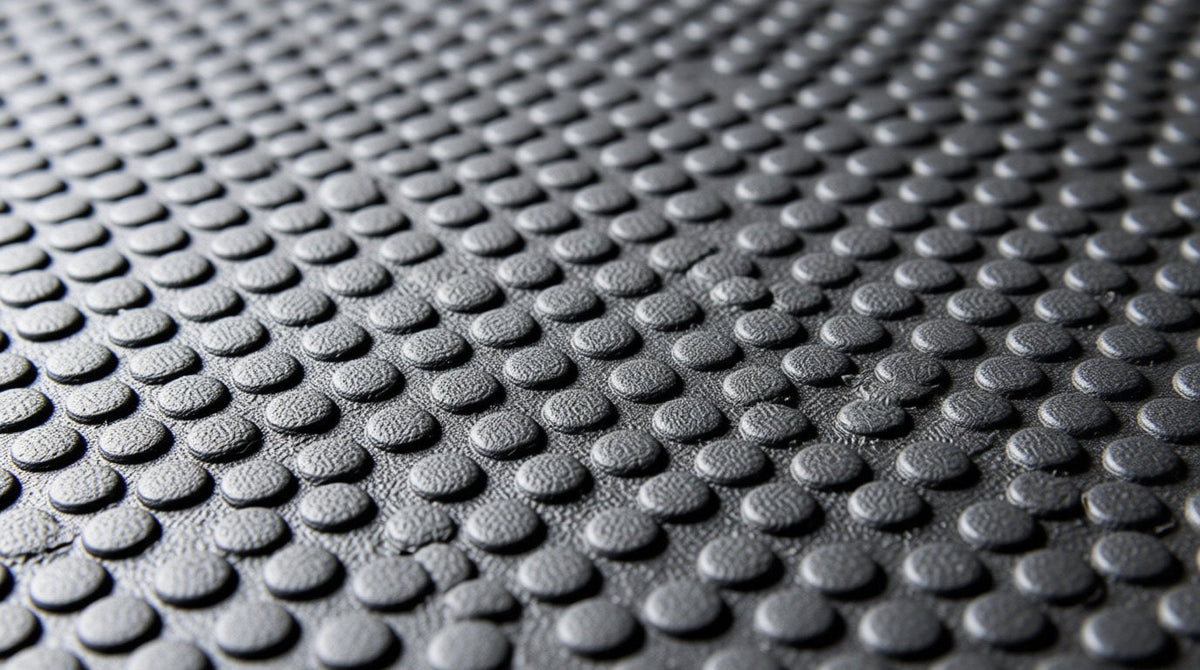
During the shuffle phase, tiles often slide uncontrollably on bare wood. A textured surface provides necessary friction. This keeps the tiles within your reach at all times.
Stability speeds up the initial wall building setup. Tiles stay aligned without wobbling or slipping. Players focus on strategy.
Better grip leads to a more professional rhythm. Smooth movements prevent accidental flips. The game moves faster and feels much more satisfying.
Floating Mats Versus Standard Protectors
Now that we know why you need a surface, let's look at the specific tech separating high-end mats from cheap covers.
Silicone Stability in Floating Designs
A floating mahjong mat redefines table grip. They feature a specialized silicone backing that anchors to the surface. This creates a suction-like effect, preventing any unwanted shifting.
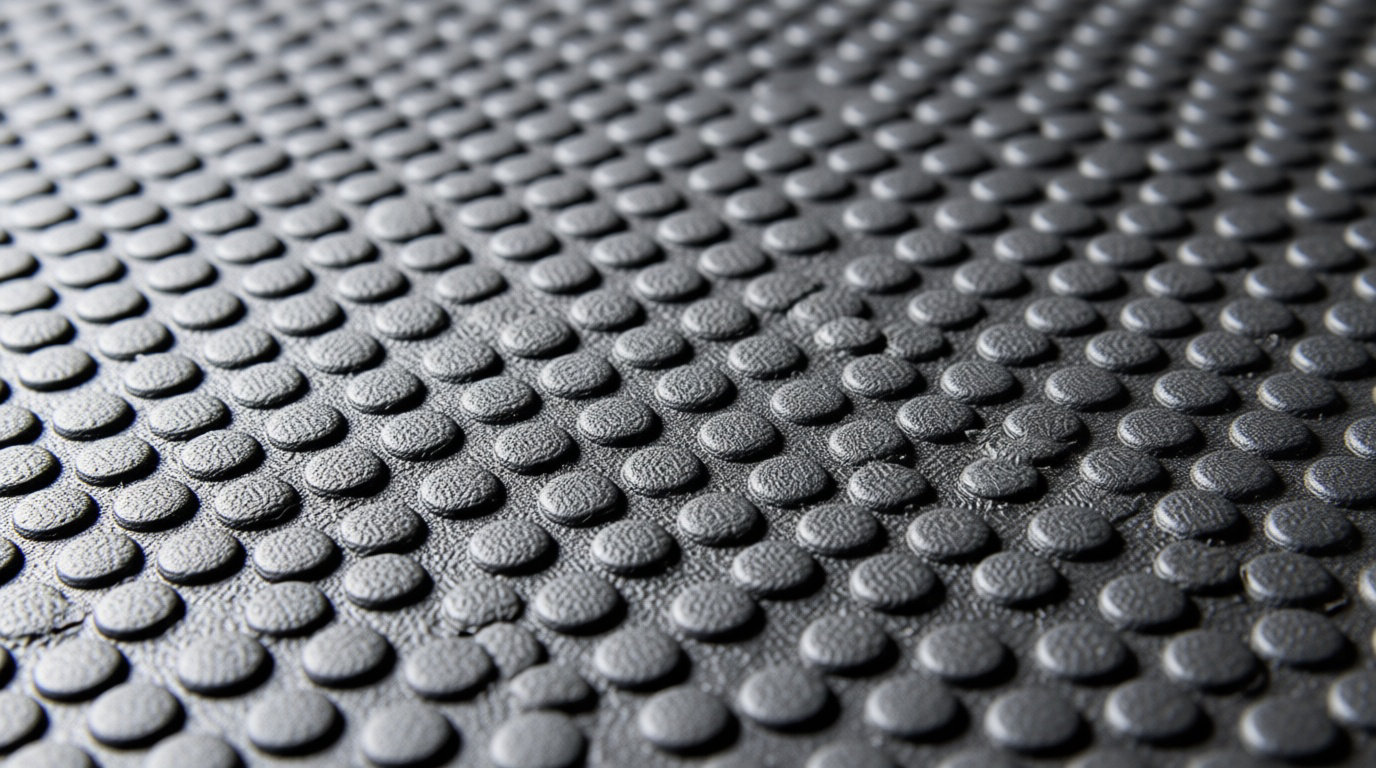
Standard rubber backings often fail over time. Rubber degrades and loses its essential stickiness. Silicone remains tacky and reliable through hundreds of games. It never leaves a messy, sticky residue on your table.
Stability is vital for intense American Mahjong sessions. The mat stays perfectly flat. No slipping occurs.
Traditional Felt and Fabric Limitations
Old-school felt mahjong mat designs present several functional issues. They frequently bunch up when you move heavy tiles. This creates annoying ripples that disrupt the entire playing field.
Modern tech-fabrics offer superior durability. Neoprene does not pill or shed like traditional cloth. It handles accidental spills much better than porous felt ever could.
Fabric aesthetics decline rapidly with regular use. Felt traps dust and hair easily. Modern mats stay cleaner and look sharper for much longer.
3 Specs for Professional Setups
Choosing the right material is half the battle; the rest comes down to the technical dimensions of your setup.
Optimal Sizing for American Tables
We recommend the standard 31.5 to 33-inch square range. This fits most card tables perfectly. It provides enough room for racks and pushers.
Size directly affects tile reach. A mat that is too large makes reaching the center difficult. You want a surface that stays within arm's length.
- Square 32" for standard tables
- Rectangular options for dining tables
- Travel sizes for portability
Thickness and Sound Dampening Levels
Compare 2mm mats with 5mm heavy-duty versions. The 2mm option is lightweight and easy to carry. However, 5mm provides superior cushioning for heavy tiles. It offers the best sound dampening for late-night games.
Match your thickness to the table material. Thin mats work on wood. Glass tables usually require the extra padding of a 5mm mat to prevent damage.
| Thickness | Portability | Sound Dampening | Best For |
|---|---|---|---|
| 2mm | High | Low | Travel and storage |
| 3mm | Medium | Medium | Casual home play |
| 5mm | Low | High | Pro setups and glass |
Stitched Edges and Printed Layouts
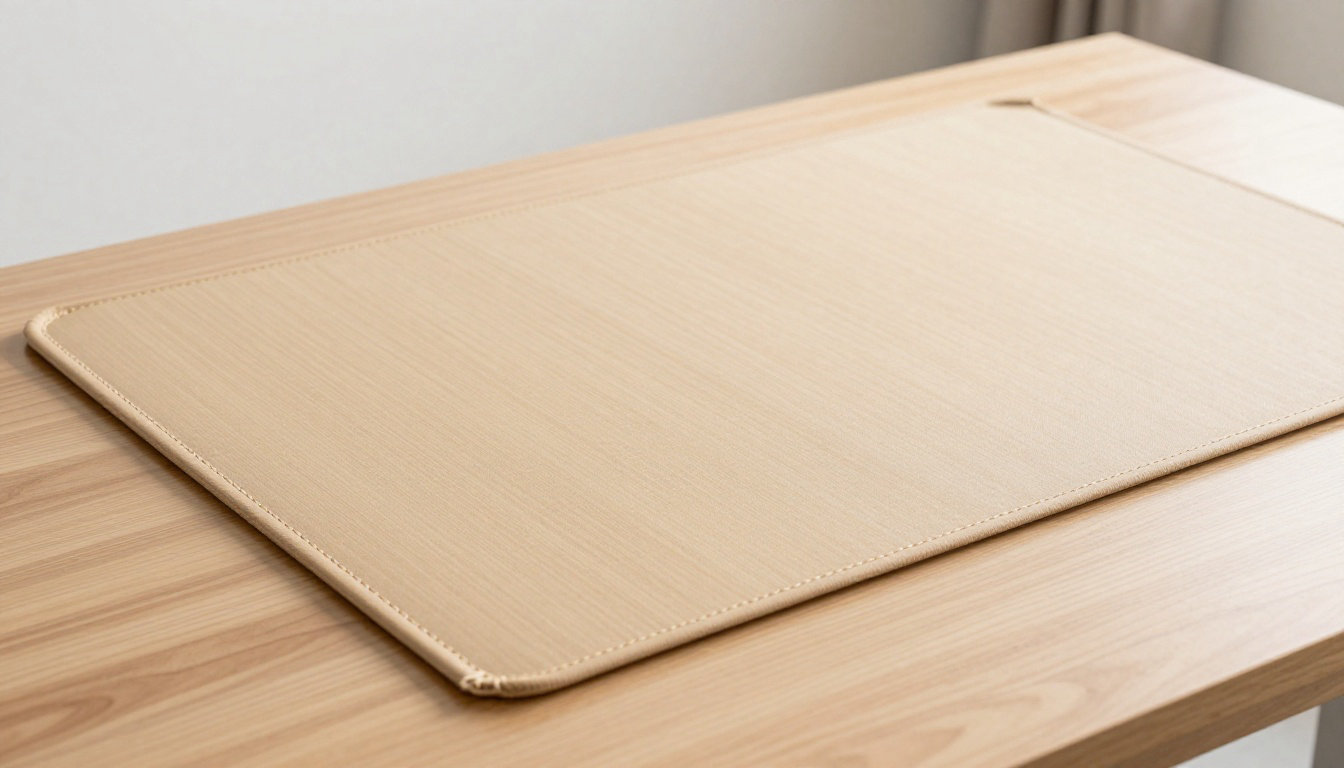
Look for sewn or stitched edges. This prevents the fabric from peeling away from the rubber. It significantly extends the life of the mat during regular use.
Evaluate learning mats featuring printed Charleston and Joker rules. These are fantastic for beginners who need quick references. They help organize the wall building process. Even experienced players appreciate the visual structure they provide when selecting from various mahjong mats or considering an upgrade to their mahjong sets.
How to Maintain Neoprene Mats?
Once you've invested in a quality mat, you need to treat it right to avoid the dreaded creases.
Crease-Free Storage Techniques
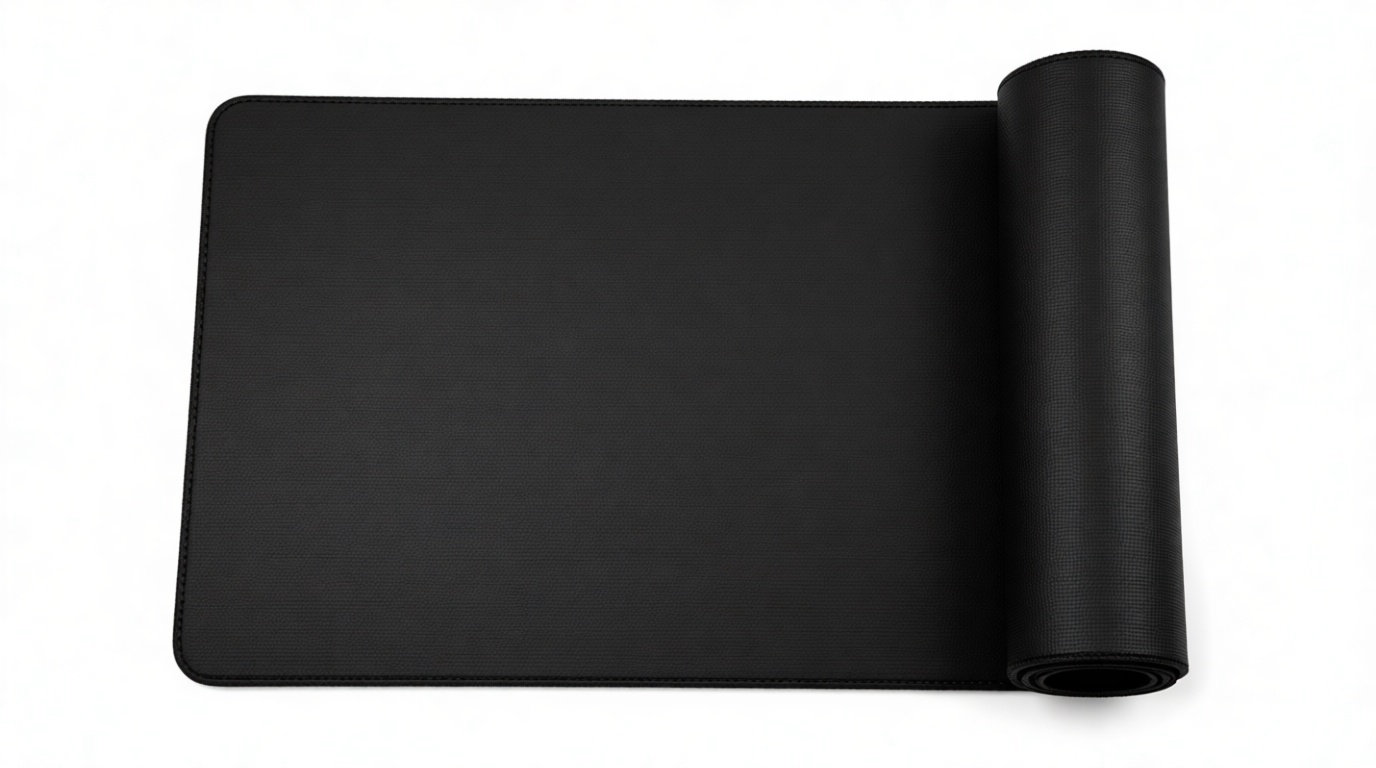
Always roll your mahjong playing mat with the pattern side facing outward to prevent permanent creases and surface cracking.
Folding is the enemy of neoprene. It creates deep lines that never truly go away. These bumps will make your tiles sit unevenly. Always use a carrying tube or a dedicated bag. This keeps the material smooth and ready.
Temperature impacts storage. Avoid leaving your mat in a hot car. Extreme heat can warp the rubber backing.
Cleaning and Spill Management
Follow the hand-washing procedure. Use cold water and a very mild detergent. Avoid harsh chemicals that could bleach the printed designs or ruin the grip.
Detail the drying process. Never put a neoprene mat in the dryer. Lay it flat in a shaded area. Direct sunlight can cause the colors to fade.
Address quick spill management during a game. Blot the liquid immediately with a clean cloth. Don't rub, as this pushes the stain deeper into the fibers.
Select a floating mahjong mat with silicone backing to ensure maximum stability and 70% noise reduction. This professional upgrade protects your tiles and table while accelerating gameplay. Order your specialized surface now to enjoy a quieter, more focused, and perfectly fluid gaming experience.
Common questions
What is the main difference between floating and standard mahjong mats?
Which mat thickness is best for sound dampening during play?
Why should I choose a mahjong mat with stitched edges?
How do I prevent creases from forming on my neoprene mat?