How to Find People to Play Mahjong With
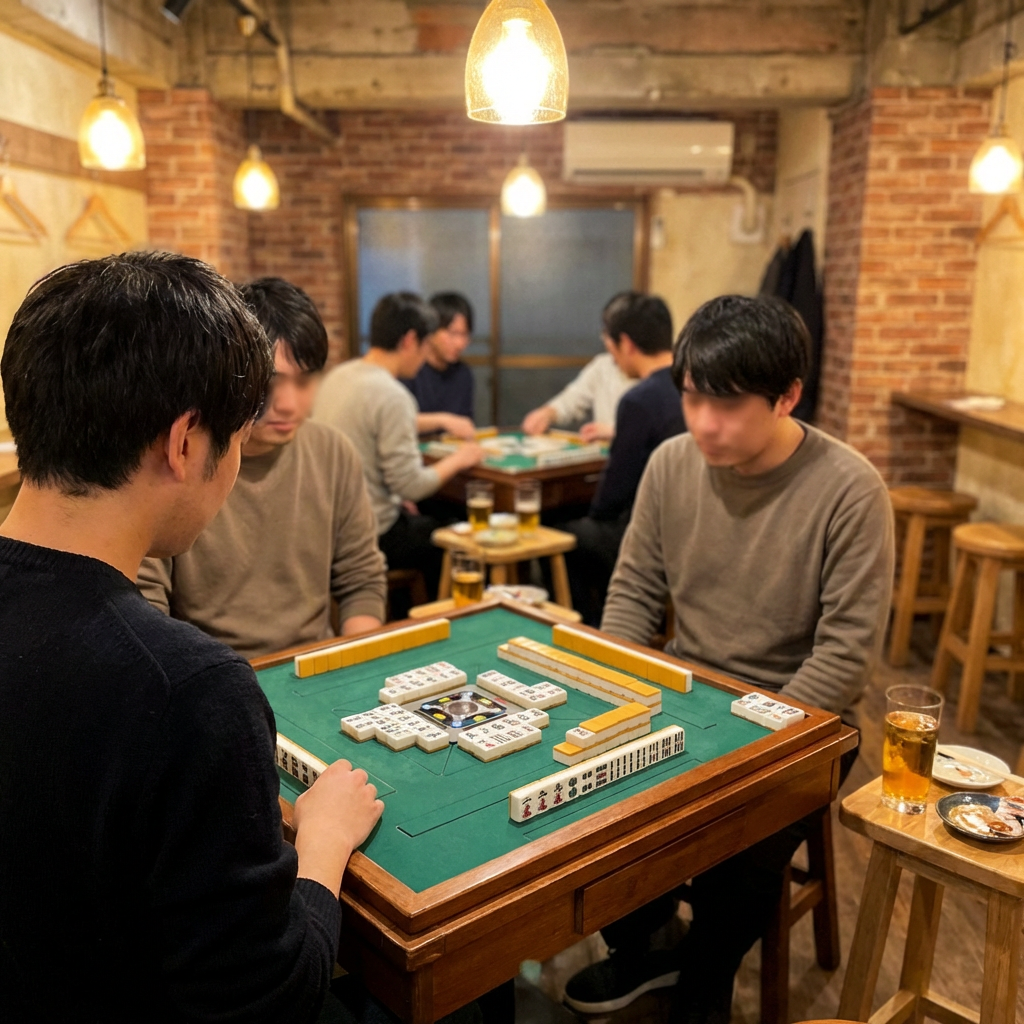
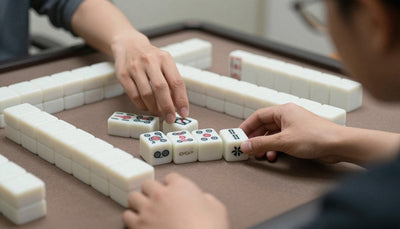
You learned mahjong through Yakuza. Or FFXIV. Or you spent three months on Mahjong Soul grinding from beginner to jade room. Now you want to play with real people - actual tiles, real stakes, the energy of a live table.
And then you hit the wall. "I have a set but not three friends who play."
This is the single most common pain point in the English-speaking mahjong community, and it's especially brutal if you're outside a major city. Mahjong is still building its audience in the US, and the Midwest or rural areas can feel like a complete desert for this game. But the community is bigger than it looks, and it's growing faster than it was two years ago. You just have to know where to look.

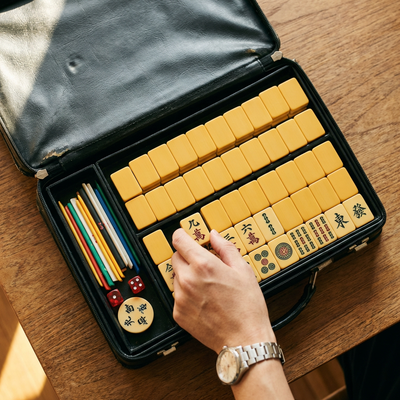
Hosting is easier when the table is ready; our mahjong sets collection covers the essentials.
Finding Local Mahjong Games
Meetup.com - The Easiest Starting Point
Meetup.com's mahjong topic page lists active groups across the US and internationally. Search your city or metro area and you'll often find groups you had no idea existed - weekly riichi nights at game bars, monthly gatherings at community centers, beginners' nights specifically designed for people transitioning from online play.
Even if there's no active group in your city, Meetup is the right place to start one (more on that below). The platform handles RSVPs, reminders, and member communication, which removes the biggest friction of organizing recurring games.
If you find a group and you're nervous about showing up: most mahjong Meetup organizers are deeply invested in growing the local scene. They want you there. Beginners are welcome at almost every group - they just want a warm body in the fourth seat.
Facebook Groups by City
Search "[your city] mahjong" on Facebook. This surfaces a surprising number of groups that don't advertise anywhere else - especially Japanese-American community groups, Chinese cultural associations playing American mahjong, and informal riichi circles that formed around a few friends and grew.
The search terms that work best: "[City] Riichi Mahjong," "[City] Mahjong Club," "[State] Mahjong." If you're near a university, also search "[University] Japanese Cultural Club" - many of these run regular mahjong nights.
Facebook Groups tends to skew older than Reddit or Discord, so if you're looking for riichi specifically (vs. American or Hong Kong-style), filter by mentioning the style you play in your join request.
Local Clubs and Leagues
Established mahjong clubs exist in most major US cities and many mid-sized ones, but they often have minimal online presence. The Victoria Mahjong Club in British Columbia is a frequently cited success story in the community - started by a few dedicated players, grew through word of mouth, now runs regular tournaments and teaches beginners. The pattern is reproducible anywhere.
To find established clubs: call or email your local Japanese Cultural Center, Japanese American Citizens League chapter, or any Japan-adjacent cultural organization in your area. Many of them host or know about mahjong groups. The same applies to Taiwanese, Chinese, and Korean community centers, which may host American or other mahjong variants - and where you can sometimes find riichi players who play multiple styles.
The international riichi scene is also worth knowing about. The World Riichi Championship brings players from dozens of countries together and has significantly grown the game's visibility. Many national riichi organizations have club directories - the US Riichi Mahjong Association and European Mahjong Association both maintain lists of affiliated clubs.
Libraries, Community Centers, and Game Cafes
Libraries have become an unlikely hotspot for board game communities, including mahjong. Many run game nights and are actively looking for people to lead them. Showing up with a set and offering to teach is often enough to get a recurring slot.
Game cafes - the kind that rent out board games and table space - are natural homes for mahjong. If your local cafe doesn't stock a mahjong set, ask about it. Some cafes will acquire games if enough customers request them.
Anime conventions are another underrated venue. Events like MagFest have entire rooms dedicated to mahjong, often running for the full duration of the convention. If you're already going to conventions in your area, check the programming schedule - you'll find players who are exactly as obsessed as you are.
Finding Online Mahjong Communities
Discord Servers
Discord is where the most active English-language riichi community lives. The main servers worth joining:
Riichi Mahjong (the largest EN riichi Discord) - Has channels for game discussion, strategy, finding opponents on Tenhou and Mahjong Soul, and regional channels for finding local players. This is the first place to go if you want to connect with other riichi players online.
Mahjong Soul official Discord - Focused on the game itself but has an active community, frequent tournaments, and a player-finder channel.
Game-specific servers - If you came to mahjong through FFXIV, Yakuza/Like a Dragon, or another game, those game communities often have dedicated mahjong channels or side servers. Search Discord for "[Game name] mahjong."
When you join, post in the regional or find-a-player channels. Be specific: "I'm in [city], looking for IRL games, I play riichi, been playing online for X months." You'll get responses faster than you expect.
Reddit: r/Mahjong and Related Communities
The r/Mahjong subreddit is active and genuinely helpful. The community skews toward riichi but covers all variants. Regular threads include strategy questions, hand reviews, set recommendations, and player-finding posts.
The subreddit also runs AMAs with professional players - these are searchable in the archive and packed with practical advice. Players like Sora Niihara have answered questions ranging from beginner etiquette to pro-level strategy.
For finding local games specifically: post in r/Mahjong with your location and what you're looking for. Include "IRL" and your city/region in the title. It's also worth checking r/boardgames, r/anime (if applicable to how you found mahjong), and any city-specific subreddit you're in. Cross-posting to r/mahjong + r/chicago (or wherever you are) doubles your reach.
Related communities: r/RiichiMahjong (more focused), r/MahjongSoul (platform-specific), and the FFXIV or Yakuza subreddits if those are your entry point.
Mahjong Soul and Tenhou for Online Play
Mahjong Soul is the most accessible online riichi platform for English speakers - polished UI, AI opponents for solo practice, and a large English-speaking player base. The lobby and friend system make it easy to set up games with Discord connections.
Tenhou is the platform the Japanese pro scene uses. It's text-based and looks dated, but the player pool is enormous and the match quality is extremely high. If you want to play against the best competition available online, Tenhou is where it is. The interface has an English fan translation that makes it navigable.
Both platforms have active Discord communities that organize regular group sessions - a good bridge between the convenience of online play and the social energy of a real group.

How to Start Your Own Mahjong Group
If you've exhausted the options above and nothing exists near you, starting your own group is more achievable than it sounds. The barrier is lower than it was five years ago because the game's online presence has seeded interest in people who just don't know how to find each other.
Start with two people, not four. You don't need a full table to start building momentum. Find one other person - through Reddit, Discord, or a friend who's curious - and start there. Play two-player practice games, or use the time to get comfortable with the physical setup before adding more players.
Create a public presence before you have players. Set up a Meetup group or Facebook group with a clear name ("[City] Riichi Mahjong) and a brief description. Post it, share the link in relevant online spaces, and let the internet do the matching. People search for this stuff - make yourself findable.
Offer to teach. Gatekeeping skill level is the fastest way to kill a nascent group. Position your sessions as "all experience levels welcome, we'll teach beginners." This dramatically expands your potential pool. The Tibetan method (described in our yaku memorization guide) is specifically designed for getting complete beginners playing within 15 minutes.
Pick a consistent venue and time. Weekly is ideal; bi-weekly is fine. Inconsistency kills small groups. A coffee shop, library meeting room, or someone's dining room table works. Consistency matters more than the venue quality.
Lend out sets to regulars. Once you have a stable core of 4-6 players, having a second set to lend out lets members host their own sessions. Groups that can self-replicate grow faster than ones dependent on a single host.
What to Bring to Your First Game?
Whether you're joining an established group or attending a Meetup for the first time, a little preparation makes the experience better for you and the people around you.
Know your yaku. You don't need to have them memorized - bring a cheat sheet. But review the basics before you go so you're not asking "what's Riichi again?" on every hand. A reference card at the table is totally normal and expected for newer players. See our yaku memorization guide for a printable table of the 10 essential yaku.
Know how to sort your hand. Practice arranging 13 tiles quickly before your first session. Online play auto-sorts; IRL you do it yourself. Fumbling slowly through your hand on every turn slows the game and draws attention.
Bring a pen and paper. Or a phone calculator. Even experienced groups sometimes need to verify scoring. Showing up ready to track the score yourself signals that you're a serious player and removes burden from the host.
Be on time. A four-player game can't start without four players. If you're running late, message ahead. This is considered basic courtesy in every mahjong group I've encountered.
Bring something to share. Optional but appreciated: snacks, drinks. Mahjong sessions run long. The social fabric around the game is part of what makes it stick.
The community will meet you where you are. Most mahjong players remember exactly what it felt like to want badly to play and not know how to find people. If you show up willing to learn and respectful of the game, you'll find your table.
Once you're ready for your first physical set, check out our guide on what to buy for your first IRL game - including why tile size matters, which sets the community actually recommends, and the accessories you actually need versus the ones you can skip.