How to Play 2 Player Mahjong: Rules and Setup
The essential takeaway: 2-player Mahjong is a tighter, faster form of the same game. Removing the Charleston and managing two racks simultaneously maintains the pace of four-player games. This variant offers greater strategic control, with specialized 50-tile sets reducing setup time from ten to just two minutes.
Learning how to play 2 player mahjong opens up new possibilities for this classic tile game. A specialized 2-player Mahjong set contains only 50 tiles compared to the 144 found in traditional versions. You can use this compact format to transform a social game into a high-stakes tactical duel. Our guide shows you how to master the "two racks" method and adapt your strategy for this intense head-to-head experience.
- Can You Play Mahjong With 2 Players?
- Rule Adjustments For American 2 Player Mahjong
- Tactical Gameplay And Scoring Modifications
- Specialized Equipment For 2 Player Sessions
Any set from our mahjong sets collection covers the duo formats in this guide.
How to Play 2 Player Mahjong: Can You Play With 2 Players?
Many believe you need a full table of four to start a game. However, you can definitely play a focused version with just two people. It turns the social experience into a sharp duel perfect for mahjong for beginners and experienced players alike.
Viability of the head-to-head format
Yes, 2-player Mahjong is a real and functional format. The game shifts from a social party atmosphere to a tense, competitive tactical duel. Every move carries significantly more weight.
Veterans often prefer this style for the increased control. Turns move much faster without four people. You can find success practicing Mahjong with two people to sharpen your mahjong rules knowledge quickly.
The psychological aspect becomes paramount here. You only have one opponent to read. This makes each discard feel much more personal and intense.
It is a viable setup. Perfect for couples or friends wanting a quick, engaging session.
Initial tile distribution and wall building
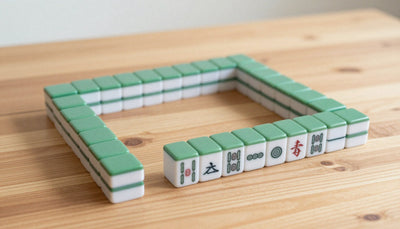
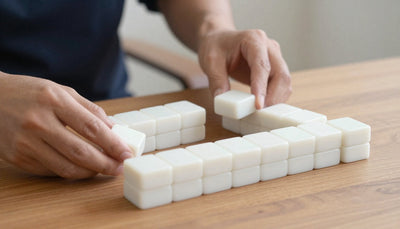
Setting up is straightforward. You build only two walls instead of four to save time. Each player sits opposite the other. This keeps the table organized and the draw pile accessible.
The deal follows standard logic. Each player typically receives 13 tiles. The dealer starts with 14 to begin the first discard immediately.
The drawing mechanic is simple. Players take turns pulling from the shortened walls. The flow remains identical to the standard version.
Always maintain a "dead wall." Keep a small section untouched. This prevents the game from ending prematurely.
These duo rules adapt the American game; the full American mahjong walkthrough is the reference they bend.
Rule Adjustments For American 2 Player Mahjong
Since the setup is ready, let's look at the specific tweaks needed to make the American version work smoothly without a full crowd.
Eliminating the Charleston and managing racks
The Charleston phase is officially cut. Passing tiles between only two people is redundant. This change speeds up the game significantly by jumping straight to active play, which differs from American mahjong rules traditionally used with four players.
We use the "two racks" method. Each player manages two separate hands simultaneously. This mimics the tile depletion rate of a four-player game and adds strategic depth.
You can declare Mahjong on either rack. However, you must keep the tiles strictly separated during the entire match. Mixing tiles between your two racks is not allowed.
"The absence of the Charleston forces you to rely entirely on your initial draw and tactical discards."
Strategic use of Jokers in small groups
Jokers are very powerful here. With fewer players, your chances of drawing them increase. They become the ultimate tools for completing difficult sequences or sets quickly.
Monitor your opponent's exposed sets closely. Since there is only one adversary, Joker swaps are vital. You can often trade a natural tile for their Joker more easily.
Jokers accelerate the overall pace. They help bridge the gap when specific tiles are buried in the wall. This prevents the game from stalling during the draw phase.
Watch your defensive play. If your opponent has multiple Jokers, be extremely careful. High-value discards can end the game instantly.
Tactical Gameplay And Scoring Modifications
Beyond basic rules, winning a duel requires a sharper eye for discards and a slightly different way of keeping score.
Dual rack management and discard tracking
Focus on offensive balance. You must decide which rack has the better chance of winning. Don't neglect one hand entirely, as it serves as your defensive backup.
Emphasize tracking discards. Use the source: adapting declaration rules for two players. Precision is key when you are the only one watching the tray.
Discuss defensive maneuvers. If your opponent is one tile away, start discarding "safe" tiles. This forces a draw or a wall exhaustion.
- Watch for repeated suits
- Count the Jokers on the table
- Note which tiles are 'dead' early on
Point systems and game pace adjustments
Suggest house scoring rules. Doubling the points for a win makes the stakes feel higher. Since games are faster, a higher point ceiling keeps the session engaging over several rounds.
Handle ties and wall endings. If the wall runs out, no one wins. Simply reshuffle and start a new hand immediately.
Mention the rhythm. Keep the interaction high by announcing discards clearly. This maintains the traditional feel of the game despite the smaller group, whether you're playing mah jongg or Chinese mahjong variants.
In a two-player game, speed is your friend; don't overthink, just play the tiles.
Specialized Equipment For 2 Player Sessions
While your standard set works fine, certain gear can make your head-to-head matches much more enjoyable and portable.
Comparing 50-tile sets and traditional sets
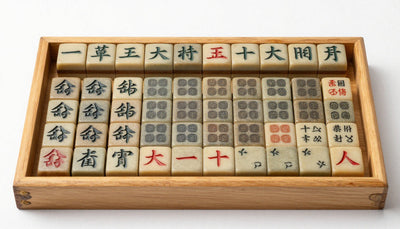
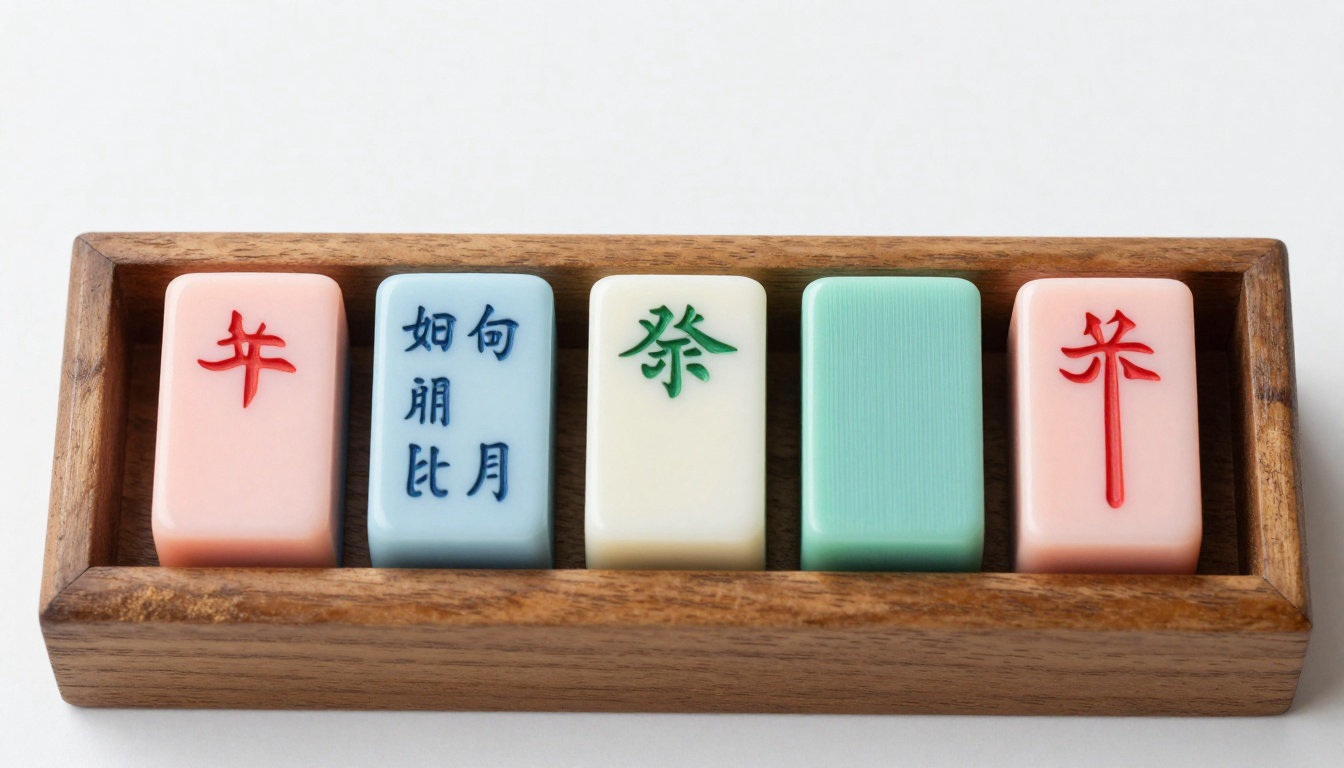
Traditional mahjong sets contain 144 to 152 tiles. Specialized 2-player sets often use 50 to 72 tiles. This reduction keeps the game lightning fast.
Digital or grid variants offer different experiences. Use Minefield Riichi Mahjong for a modern take. Grid-based "Fingertip Mahjong" suits limited table space.
| Feature | Traditional Set | 2-Player Specialized Set |
|---|---|---|
| Tile Count | 144 | 50 |
| Portability | Low | High |
| Setup Time | 10 min | 2 min |
| Game Speed | Moderate | Fast |
Portable features for travel and restaurant play
Look for travel-friendly attributes. Small, lightweight acrylic tiles are best. They feel solid without weighing down your bag at cafes.
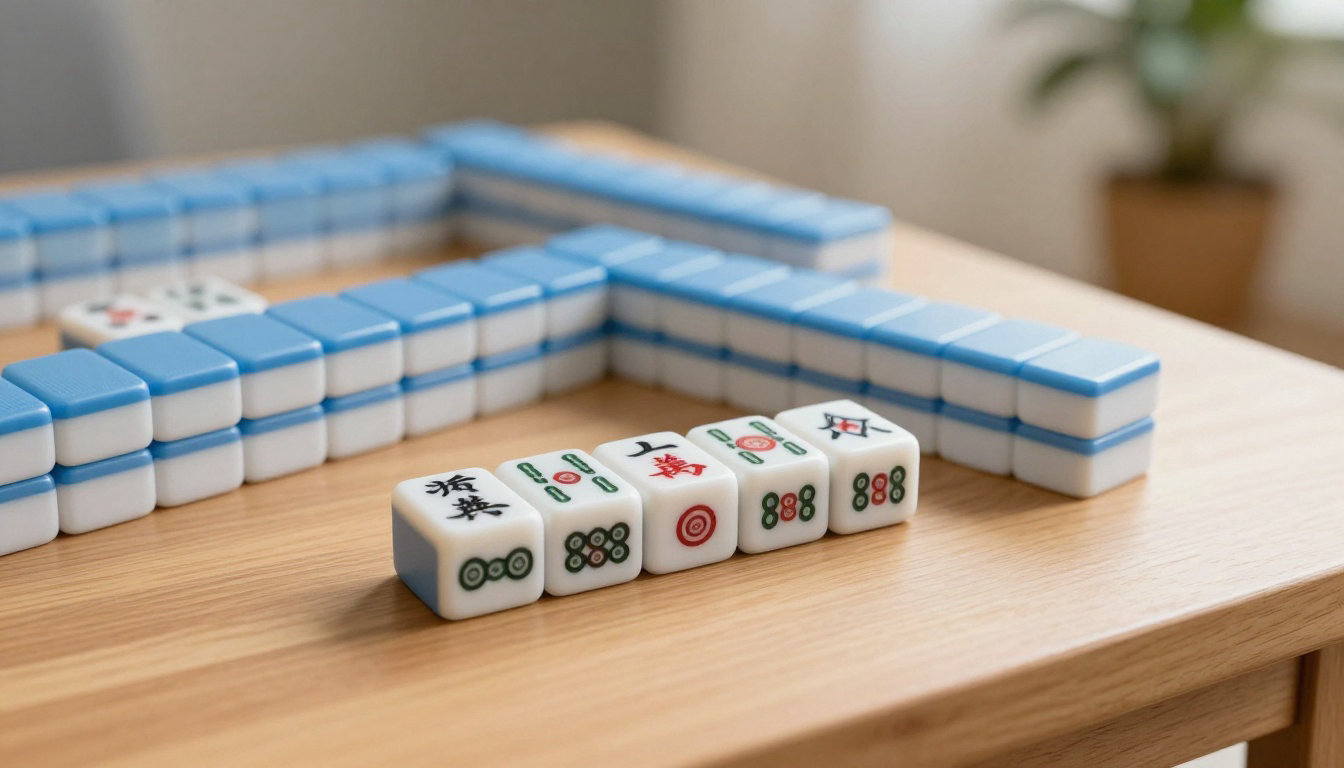
Recommend compact mahjong accessories. Use folding racks with integrated pushers. These allow setup on small restaurant tables without spilling tiles.
- Magnetic tiles for stability
- Soft-lined carrying cases
- Miniature scoring sticks
- All-in-one travel mats
You can play Mahjong with 2 players by removing the Charleston, using dual racks, and tracking discards closely. These tactical adjustments transform the game into a fast, competitive duel. Master these head-to-head rules now to enjoy intense matches anytime. Speed is your friend; just play the tiles.
Common questions
Is it possible to play Mahjong with only 2 players?
How do you set up the tiles for a 2-player game?
What are the main rule changes for 2-player Mahjong?
How does the American Mahjong Charleston work with two people?