Mastering 2 player mahjong rules and setup
The essential to remember: 2-player Mahjong, specifically the Siamese variant, requires managing two 14-tile racks simultaneously to achieve a double victory. This format eliminates the Charleston phase for faster play and strategic depth. You will double your tactical decisions by tracking 28 tiles, using a standard 152-tile American set to master rapid discard cycles and complex Joker exchanges.
Mastering 2 player mahjong rules and setup opens new possibilities for this traditional Chinese mahjong game. Standard Mahjong traditionally requires four participants, but modern adaptations now allow for a dynamic head to head experience. We provide this Mahjong Rules for 2 Players: Complete Guide to help you understand the setup and specific mechanics like Siamese Mahjong. You will learn to manage double racks and navigate the game without the Charleston phase for faster, more efficient play.
- 2-Player Mahjong Setup and Basics
- Siamese Mahjong Mechanics and Rules
- How to Handle Scoring and Jokers?
- Required Gear and Game Pace for Home Play
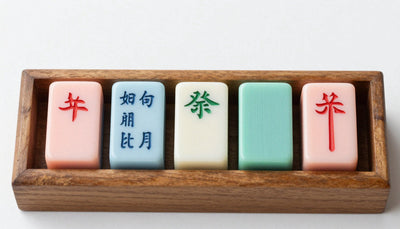
A compact set from our mahjong sets collection is all a duo table needs.
Mastering 2-Player Mahjong Setup and Basic Rules
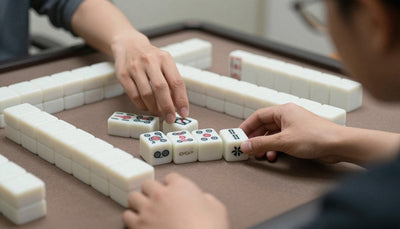
This tile game is traditionally a four-player affair. However, the two-player adaptation offers a thrilling way to enjoy the game without a full table. You can still experience the strategic depth with just one opponent.
To start, you must understand the Mahjong Rules for 2 Players: Complete Guide regarding the initial layout. This transition requires specific adjustments to maintain the game's integrity and pace.
Building the Wall and Tile Distribution
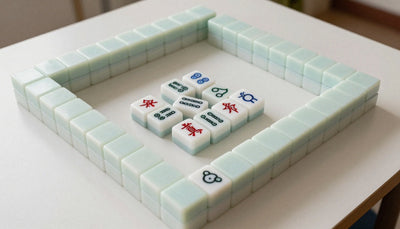
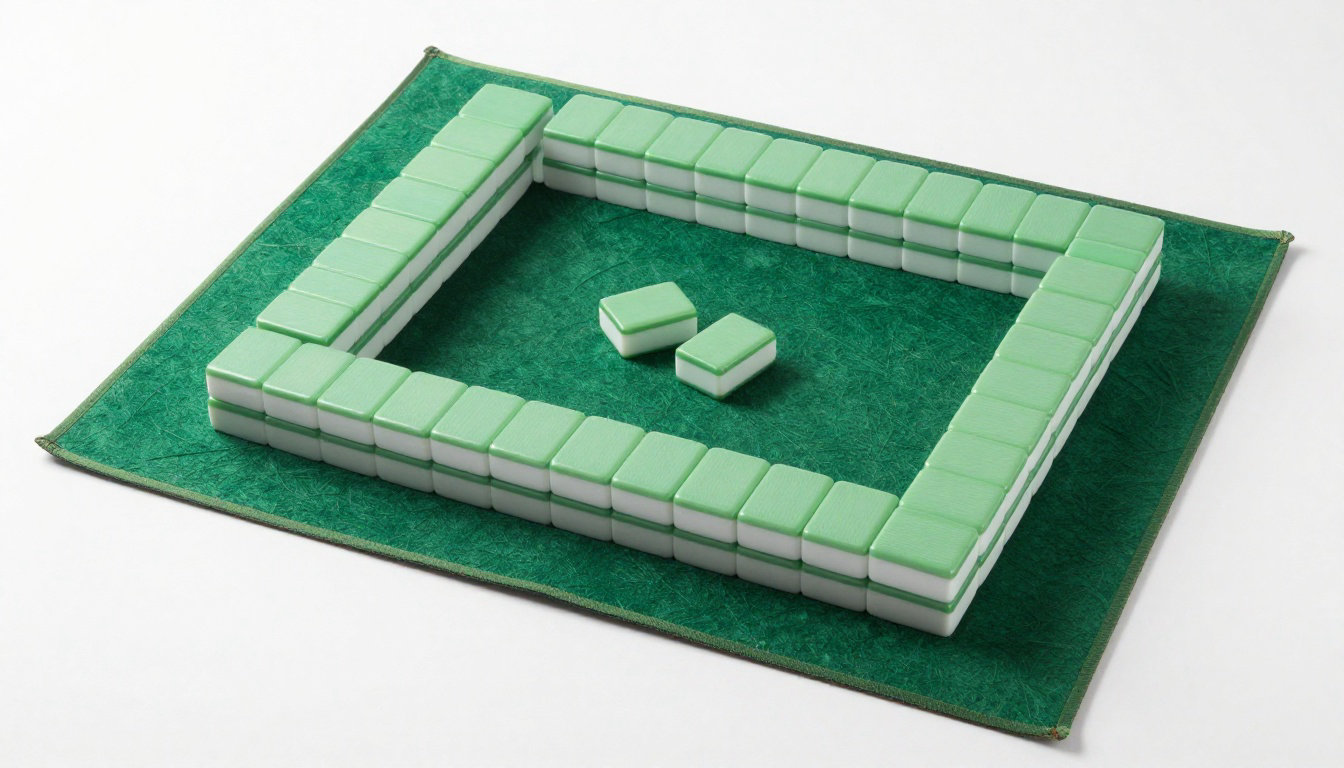
You use the full set of 144 tiles for the setup. Even with two players, you build the entire wall. This preserves the traditional structure.
Each player receives 13 tiles. You sit directly opposite your opponent at the table. The remaining tiles stay in the wall for subsequent drawing during the match.
Standard sets are perfectly viable for this 2-player configuration. You can follow standard mahjong rules for tile identification and basic handling.
Skipping the Charleston Phase
The Charleston tile passing phase is omitted in 2-player variants. This change speeds up the game significantly. It allows you to focus entirely on your own hand and strategy.
You transition directly from the initial dealing to the first draw. The dealer starts the game immediately. There is no middle-man exchange of tiles between the two participants.
This modification is necessary for competitive balance. Passing tiles between only two people reveals too much information. Removing it keeps the mystery of your hand intact.
- No tile passing rounds
- Immediate play after dealing
- Reduced setup time compared to 4-player games
To see what these adaptations simplify, compare with how to play American mahjong at a full table.
Siamese Mahjong Mechanics and Rules
Moving from the standard wall setup, let's look at the most popular 2-player format: Siamese Mahjong, which completely changes how you view your rack.
Managing Two Separate Racks Simultaneously
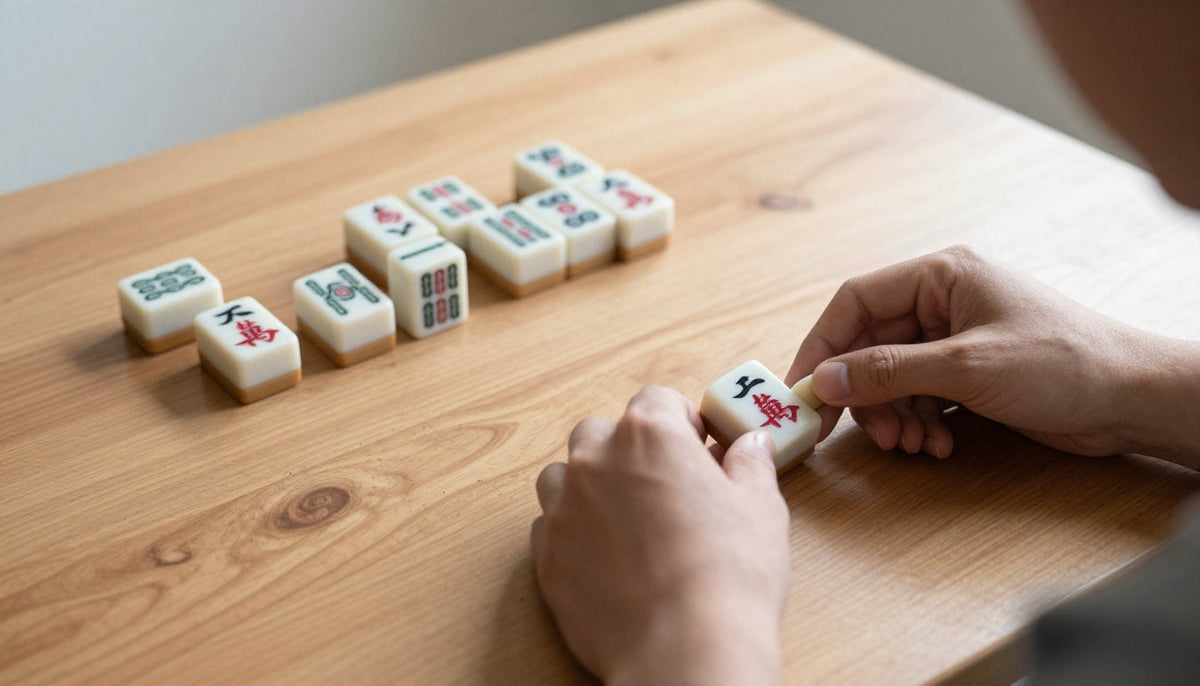
Siamese Mahjong utilizes a 28-tile draw system. You manage two distinct hands at the same time. This setup requires two physical racks for each person.
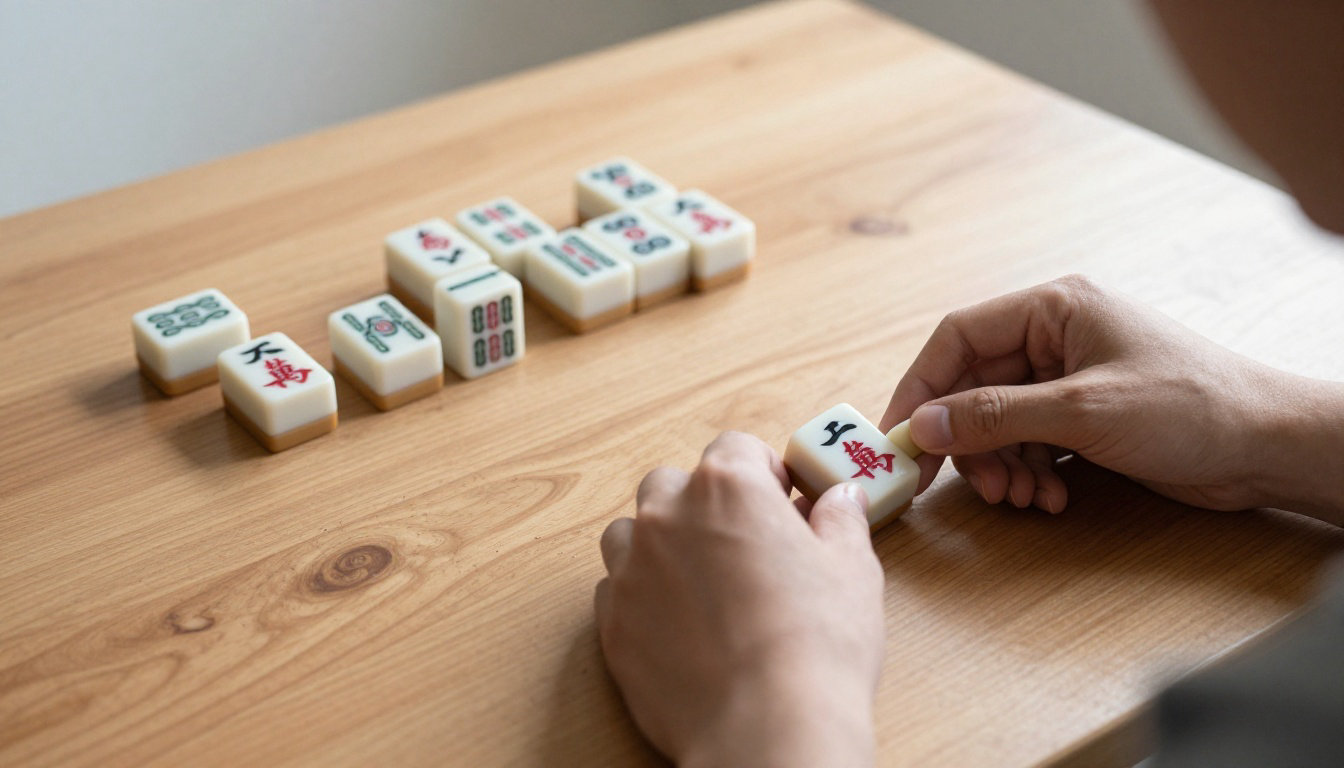
Organize your tiles carefully on each rack. You cannot move tiles between your two racks once placed. Each rack represents a potential winning hand. Strategy becomes twice as demanding.
Tracking two hands presents a major mental challenge. You play against yourself and your opponent. It is a high-speed tactical battle.
Managing two racks in Siamese Mahjong isn't just about doubling your tiles; it's about doubling your strategic foresight and keeping two paths to victory alive simultaneously.
Winning with Two Declared Mahjongs
The ultimate goal is declaring Mahjong twice. You do not win the game with just one hand. Both racks must be completed to claim the full victory. This is the Siamese signature.
What happens when the first Mahjong is called? That specific rack is moved or marked. The player continues playing with the second rack until finished.
The double win requirement creates intense tension. If your opponent finishes both before you, they take the pot. It creates a race to the finish line.
How to Handle Scoring and Jokers?
While the mechanics are straightforward, the way you use Jokers and tally points is where the real nuance of the 2-player game lies.
Handling Joker Exchanges Between Racks
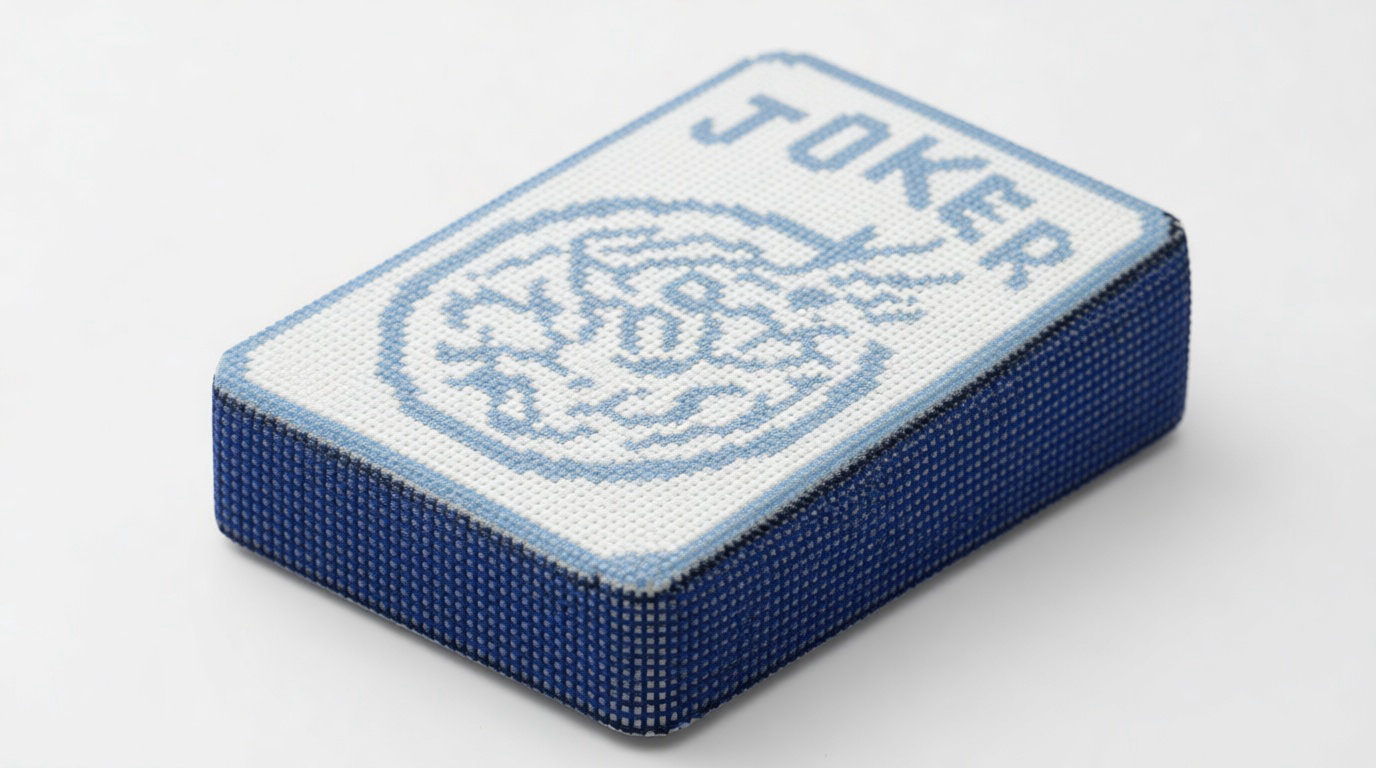
Swap a natural tile for an exposed Joker during your turn. If you hold the matching tile, claim the Joker from any rack. This rule applies to both racks in play.
Moving Jokers between your own two racks follows strict limits. Once a Joker is part of a declared set, it stays there. These restrictions maintain balance and prevent unfair advantages.
Smart Joker management is your best tool for speed. Use them on your weaker rack to save your game. Don't waste these versatile tiles on easy, natural sets.
Calculating Points for Double Wins
Scoring for two hands requires individual evaluation. Each rack is scored based on its difficulty. Your total score is the sum of points from both completed racks.
False declarations or "dead hands" carry heavy penalties. If one rack is disqualified, you might lose the entire game. Accuracy is just as important as your playing speed.
The competitive nature of 2-player scoring creates huge point spreads. Every tile choice feels impactful due to thin margins. Weigh every discard against the potential risk of losing.
| Action | Point Value | Impact on Game |
|---|---|---|
| First Mahjong | Standard Value | Completes 50% of the win. |
| Second Mahjong | Double Multiplier | Ends game and secures victory. |
| False Declaration | Full Penalty | Hand is dead; opponent wins. |
| Joker Swap | 0 Points | Increases speed and flexibility. |
Required Gear and Game Pace for Home Play
Beyond the rules, having the right equipment and mindset is what turns a simple practice session into a professional-feeling home game.
Selecting Portable Sets and Pushers
Quality mahjong accessories like mats and pushers are vital for quality play. Mats keep your tiles quiet and protected during matches. Pushers make wall management much easier for just two people.
Compare standard home mahjong sets with travel-friendly versions. Travel sets are smaller but can be harder to handle. Choose based on your available table space.
Digital versions exist for extra practice. Some open-source Mahjong implementations exist for smaller groups. These are great for learning the faster pace.
Maintaining Flow in a Faster Game
This version of mah jongg creates a very rapid discard cycle. You only have one opponent to track. You must stay focused to avoid missing calls.
Balance this speed with social interaction. It is easy to get too quiet when you are concentrating hard. Keep the conversation going to maintain the fun.
This format offers great benefits for mahjong for beginners and experienced players alike. It is the best way to sharpen your skills for 4-player games. You see more tiles and make more decisions per minute.
- Focus on rapid discard cycles
- Use pushers to align walls quickly
- Keep a score pad handy for fast-paced tallying
Mastering 2-player Mahjong requires managing dual racks, skipping the Charleston, and optimizing Joker swaps. Start practicing these Siamese mechanics now to double your strategic speed and scoring potential. You will soon dominate the table with faster, more decisive victories.
Common questions
How do you set up Mahjong for only two players?
Is the Charleston phase included in 2-player games?
How does Siamese Mahjong differ from the standard version?
Can I claim a discarded tile for a Chow in a 2-player game?